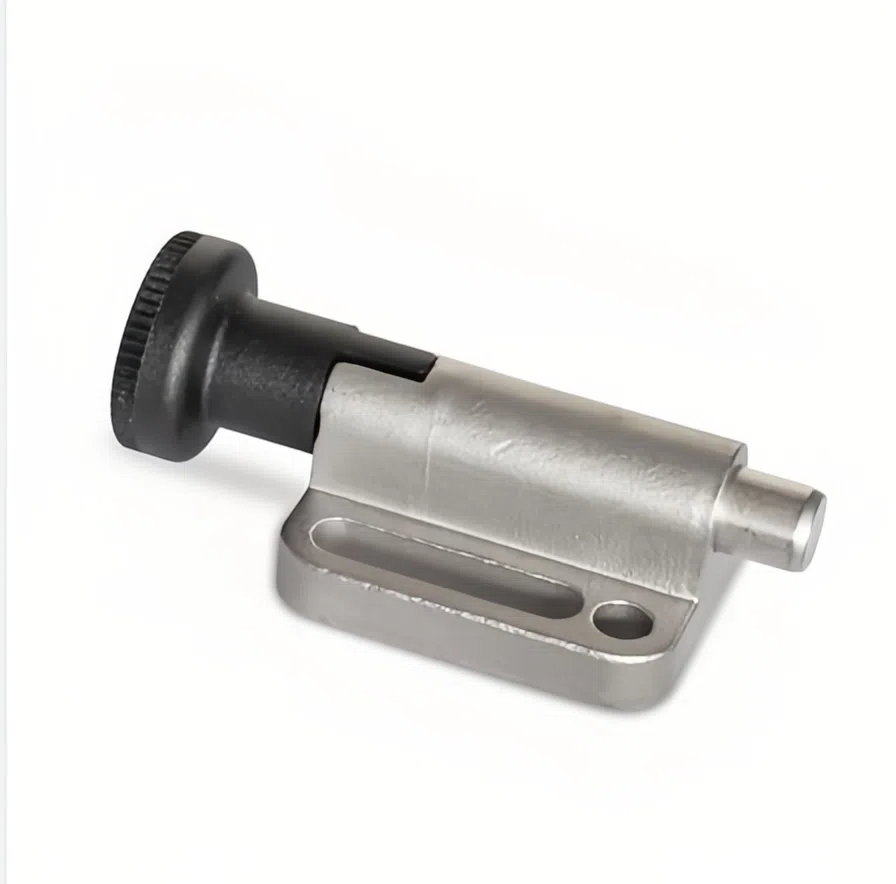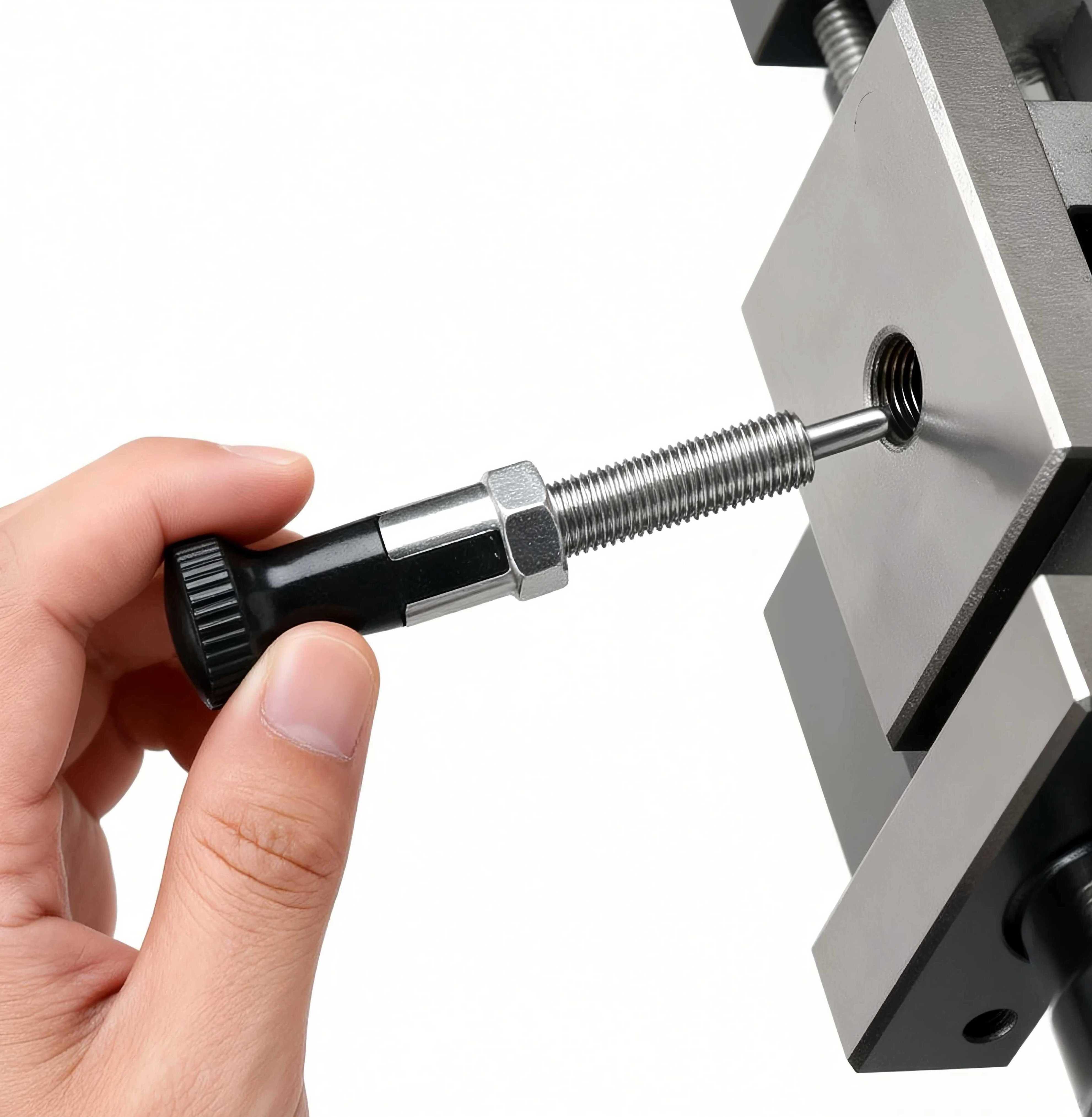
Self Lock Pin For Cars & Gym Devices
author: Lucia Liu
2025-11-24
Table of Contents
1. Self Lock Pin For Cars & Gym Devices2. Product Gallery (Self Lock Pin Types)
3. Structural Composition
4. Operation Process
5. Application Scenarios
6. Why Stainless Steel for Self Lock Pins?
7. FAQ
8. Conclusion
Self Lock Pin For Cars & Gym Devices
Whether in automotive seat adjustment mechanisms or height-adjustment structures for fitness equipment, simple, reliable, tool-free fastening solutions have become the preferred choice for many manufacturers. Among various quick-release components, the Self Lock Pin is widely adopted in automotive equipment and gym training apparatus due to its automatic locking, effortless operation, and exceptional durability.
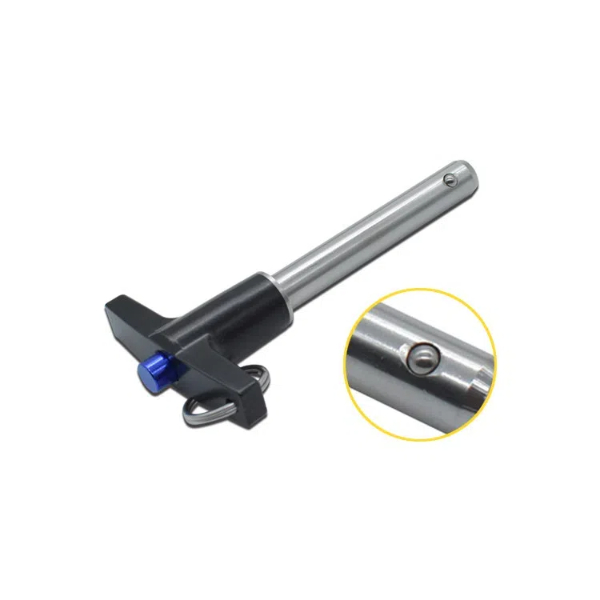
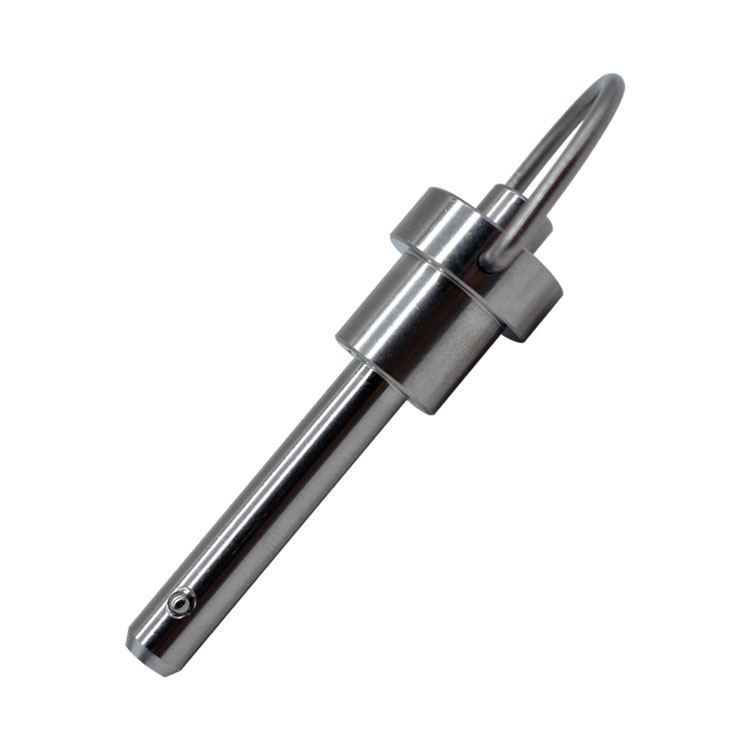
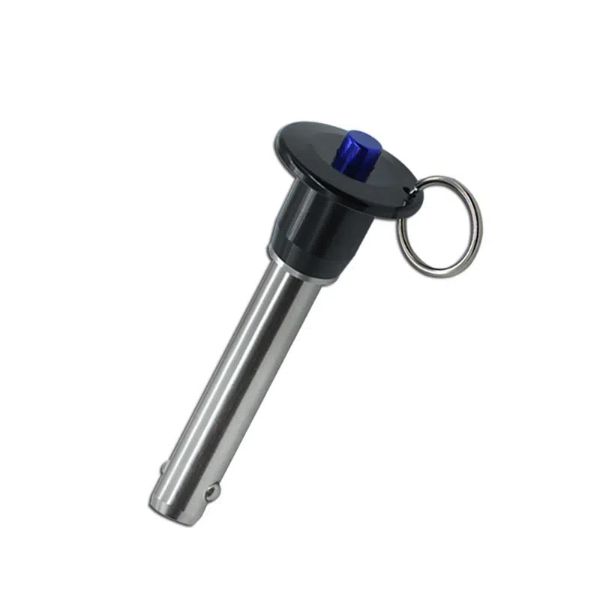
From a structural perspective, the Self Lock Pin primarily consists of three components:
• Pin Body: Cylindrical in shape, designed to pass through the hole of the component being secured;
• Locking Mechanism: Typically composed of a spring and a locking ball (or locking plate), which automatically expands to achieve a secure lock;
• Pull Ring or Button: Facilitates manual unlocking and quick removal.
Most Self Lock Pins feature a minimalist design. To withstand automotive and fitness equipment environments, the pin body is often fabricated from stainless steel—particularly high-performance grades like 303, 304, 316, and 17-4PH—to enhance strength, corrosion resistance, and service life.
• Pin Body: Cylindrical in shape, designed to pass through the hole of the component being secured;
• Locking Mechanism: Typically composed of a spring and a locking ball (or locking plate), which automatically expands to achieve a secure lock;
• Pull Ring or Button: Facilitates manual unlocking and quick removal.
Most Self Lock Pins feature a minimalist design. To withstand automotive and fitness equipment environments, the pin body is often fabricated from stainless steel—particularly high-performance grades like 303, 304, 316, and 17-4PH—to enhance strength, corrosion resistance, and service life.
The operation process of the Self Lock Pin is extremely simple, which is why it is highly favored in gym equipment and vehicle installations:
1. Align with the hole: Position the pin body of the Self Lock Pin to align with the mounting hole in the structure;
2. Push the pin body forward: Press the pin body forward; the internal spring pushes the locking ball to automatically expand outward;
3. Achieve the locked state: The locking ball engages with the hole wall, preventing the pin body from easily slipping out;
4. To disassemble: Pull the pull tab outward or press the button to retract the locking ball, allowing the pin to be removed.
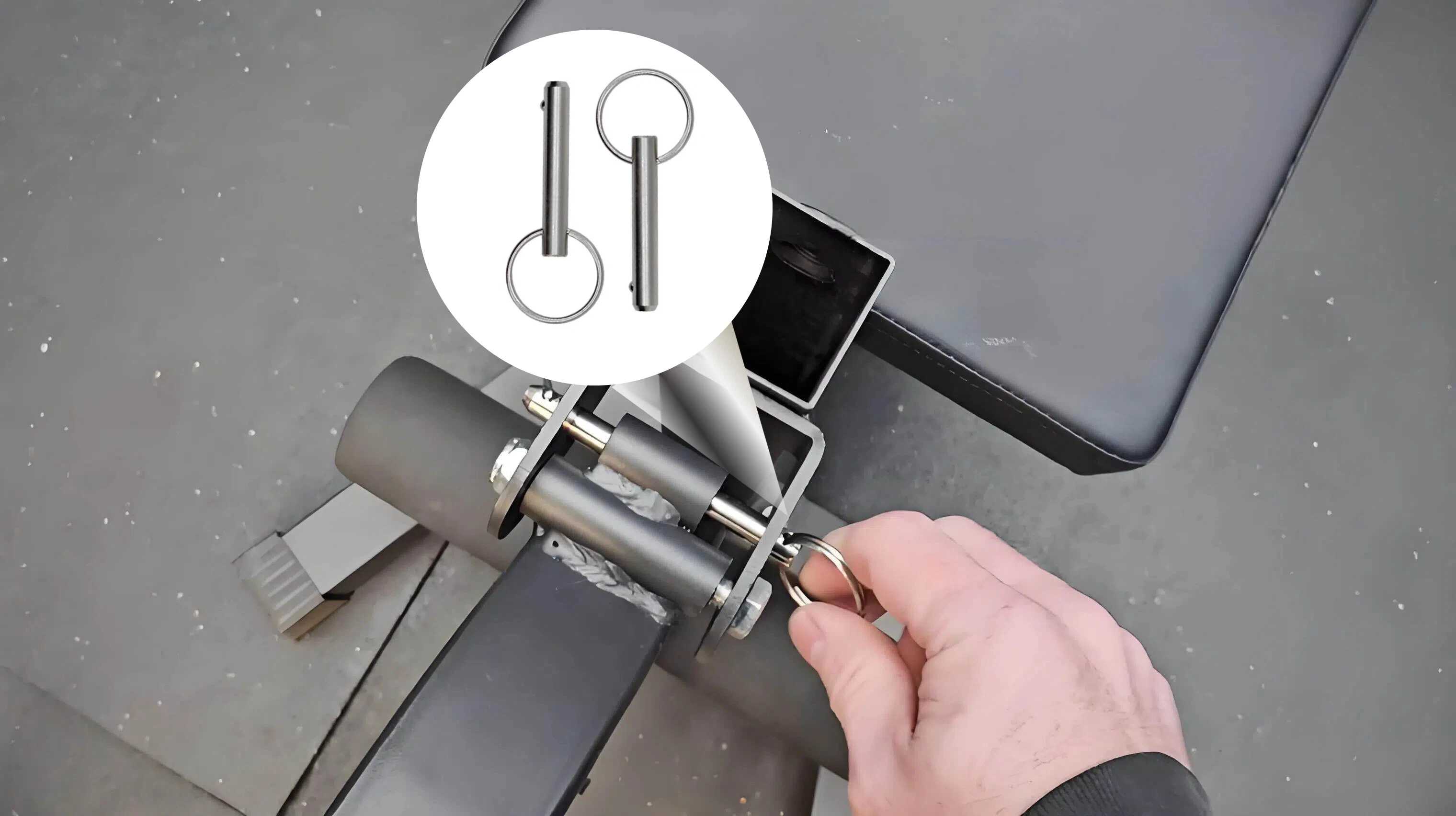
Requiring no tools, screws, or washers, the Self Lock Pin proves exceptionally efficient in equipment structures requiring frequent adjustments. Whether adjusting car seat positions or altering the height of gym strength equipment, the stainless steel Self Lock Pin delivers a fast, clean, and secure connection.
1. Align with the hole: Position the pin body of the Self Lock Pin to align with the mounting hole in the structure;
2. Push the pin body forward: Press the pin body forward; the internal spring pushes the locking ball to automatically expand outward;
3. Achieve the locked state: The locking ball engages with the hole wall, preventing the pin body from easily slipping out;
4. To disassemble: Pull the pull tab outward or press the button to retract the locking ball, allowing the pin to be removed.
Requiring no tools, screws, or washers, the Self Lock Pin proves exceptionally efficient in equipment structures requiring frequent adjustments. Whether adjusting car seat positions or altering the height of gym strength equipment, the stainless steel Self Lock Pin delivers a fast, clean, and secure connection.
Self-locking pins are also widely used in quick-release bumpers, support brackets, and underbody protection components. Compared to traditional screw structures, self-locking pins offer greater reliability in off-road environments. Made of stainless steel, they resist rust, ensure smooth insertion and removal, and prevent jamming even in rainy or muddy conditions.
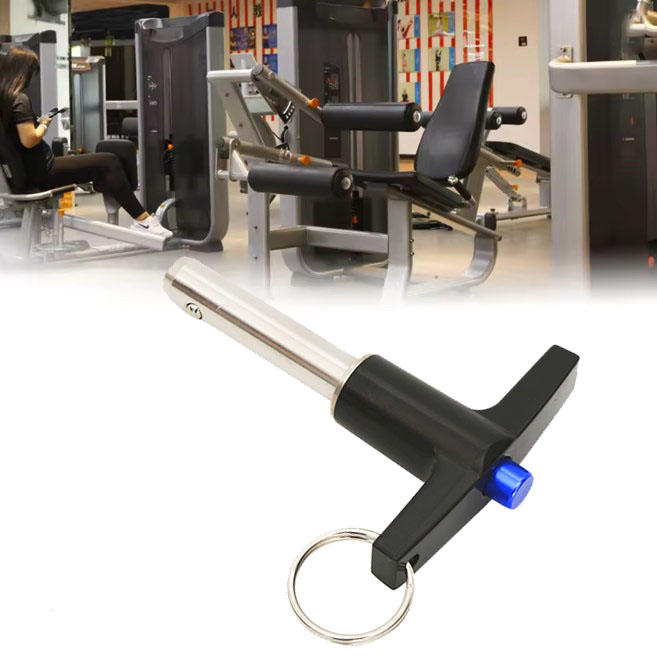
The backrest angle of training chairs and the height of dumbbell racks similarly rely on analogous mechanisms. The introduction of the Self Lock Pin has made equipment adjustments more convenient while also reducing maintenance costs.

Why are Self Lock Pins predominantly made of stainless steel?
Currently, most Self Lock Pins on the market primarily use stainless steel as their base material, mainly due to:
• Stainless steel does not rust easily
• High mechanical strength
• Smooth surface finish for effortless insertion and removal
• Suitable for environments involving perspiration, humidity, and outdoor use
Commonly used stainless steel grades include:
1. Stainless steel 303
• Excellent machinability
• Suitable for mass production
• High surface finish
• Suitable for self-locking pins in standard indoor equipment
2. Stainless Steel 304
• High cost-effectiveness
• Stable corrosion resistance
• Most commonly found in automotive interiors and gym equipment
3. Stainless Steel 316
• Superior corrosion resistance
• Suitable for humid and high-salt environments
• Frequently used in outdoor fitness equipment or automotive chassis components
4. Stainless steel 17-4PH
• Exceptionally high strength
• Excellent fatigue resistance
• Suitable for structures bearing significant loads
• Commonly found in high-end gym equipment and specialized automotive components
Manufacturer interviews reveal that the lifespan of Self Lock Pins is highly dependent on material selection. Stainless steel ensures stable performance even after tens of thousands of insertion/removal cycles, making it the industry standard choice.
• Stainless steel does not rust easily
• High mechanical strength
• Smooth surface finish for effortless insertion and removal
• Suitable for environments involving perspiration, humidity, and outdoor use
Commonly used stainless steel grades include:
1. Stainless steel 303
• Excellent machinability
• Suitable for mass production
• High surface finish
• Suitable for self-locking pins in standard indoor equipment
2. Stainless Steel 304
• High cost-effectiveness
• Stable corrosion resistance
• Most commonly found in automotive interiors and gym equipment
3. Stainless Steel 316
• Superior corrosion resistance
• Suitable for humid and high-salt environments
• Frequently used in outdoor fitness equipment or automotive chassis components
4. Stainless steel 17-4PH
• Exceptionally high strength
• Excellent fatigue resistance
• Suitable for structures bearing significant loads
• Commonly found in high-end gym equipment and specialized automotive components
Manufacturer interviews reveal that the lifespan of Self Lock Pins is highly dependent on material selection. Stainless steel ensures stable performance even after tens of thousands of insertion/removal cycles, making it the industry standard choice.
FAQ
Q: Which stainless steel type is the best for automobile use?
A: In the automotive sector, stainless steel 316 is highly suitable for harsh environments like chassis and exposed components due to its superior corrosion resistance. Stainless steel 17-4PH, renowned for its high strength and fatigue resistance, is better suited for load-bearing and stressed components. As for stainless steel 304, it offers a balanced combination of corrosion resistance and cost, making it the most common general-purpose choice. Overall, the optimal stainless steel choice for automotive applications depends on component requirements: select 316 for corrosion resistance, 17-4PH for strength, and 304 for cost-effectiveness.
Q:What's the MOQ for the Self Lock Pins?
A: 100-200
Q: How Long Does Your Lead Time Take?
A: 10-15 days.
Upgrade assemblies with Mocayo industrial-grade Self Lock Pin engineered for accuracy. Buy now!
Improve Production Accuracy and Speed with Indexing Plungers
Indexing Plunger Delivers Marine-Grade Positioning Precision: Revolutionizing Electronics Mounting on Naval Vessels
Related Article
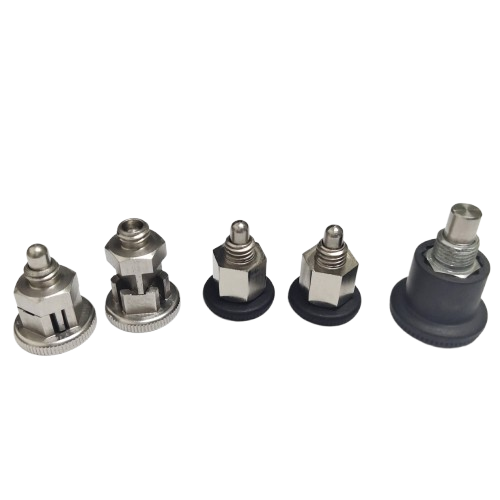
Explore the application of stainless steel materials for customizing mini indexing plungers based on specific operational environments and suitable spaces.
How To Make A Mini Indexing Plunger
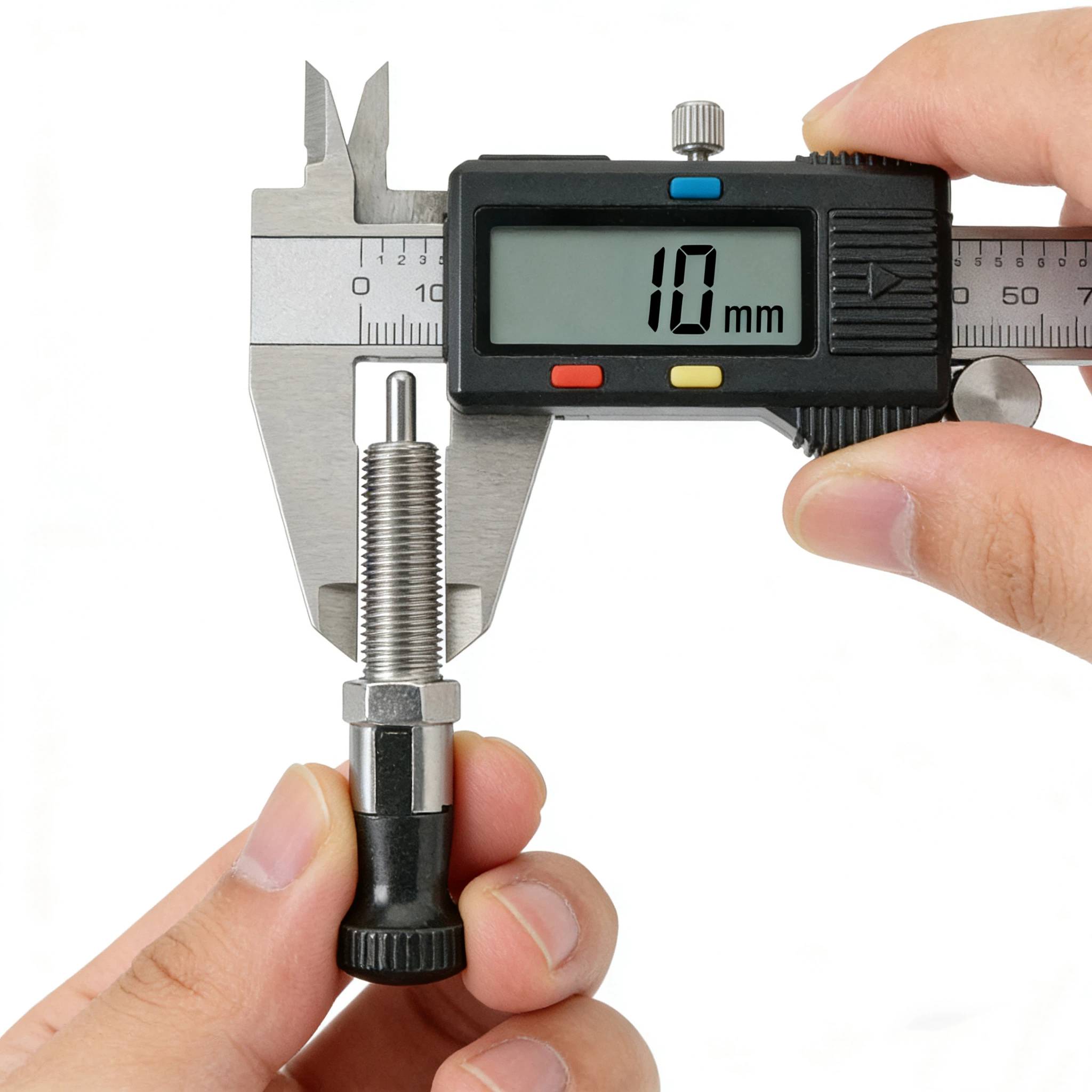
Discover how to choose correct size for indexing elements with confidence. Get precise recommendations that improve positioning accuracy, durability, and overall system performance.
How To Choose Correct Size For Indexing Elements