Stainless Steel 304
author: Lucia Liu
2025-07-26
Stainless Steel 304
We offer indexing plungers made from a variety of stainless steel materials, such as 303, 304, 316, 17-4ph, and 440c. This article focuses on the advantages and disadvantages of 304 stainless steel for indexing plungers. Stainless Steel 304 is hailed as the ‘universal stainless steel’ and is widely used in various industries such as construction, machinery, and food equipment. With its outstanding corrosion resistance and workability, it has become the material of choice for many industrial parts, particularly playing an indispensable role in the manufacture of high-precision positioning components such as Indexing Plungers.

Stainless Steel 304 is an austenitic stainless steel with the international standard designation UNS S30400. Its chemical composition includes approximately 18% chromium (Cr) and 8% nickel (Ni), hence it is also known as 18-8 stainless steel. This composition provides excellent corrosion resistance and mechanical properties, making it the most commonly used type of stainless steel in industry.
Core Performance Advantages
1.Corrosion Resistance
Stainless Steel 304 exhibits excellent corrosion resistance against atmospheric conditions, water, food, and most weak acidic and alkaline environments, making it suitable for indoor and certain outdoor applications.
1.Corrosion Resistance
Stainless Steel 304 exhibits excellent corrosion resistance against atmospheric conditions, water, food, and most weak acidic and alkaline environments, making it suitable for indoor and certain outdoor applications.
Mechanical Strength and Ductility
In terms of strength, this material offers good tensile strength and toughness, capable of withstanding impact and repeated loading. It also possesses excellent ductility, making it suitable for processing into various complex shapes.
In terms of strength, this material offers good tensile strength and toughness, capable of withstanding impact and repeated loading. It also possesses excellent ductility, making it suitable for processing into various complex shapes.
2.Excellent Processability
Stainless Steel 304 is easy to weld, bend, polish, and machine, making it widely used in the manufacture of various precision components, including fasteners, shafts, brackets, and more.
Stainless Steel 304 is easy to weld, bend, polish, and machine, making it widely used in the manufacture of various precision components, including fasteners, shafts, brackets, and more.
3.Heat Resistance
It can be used in environments below 800°C for extended periods, with excellent heat oxidation resistance, making it suitable for certain medium-to-high-temperature working conditions.
It can be used in environments below 800°C for extended periods, with excellent heat oxidation resistance, making it suitable for certain medium-to-high-temperature working conditions.
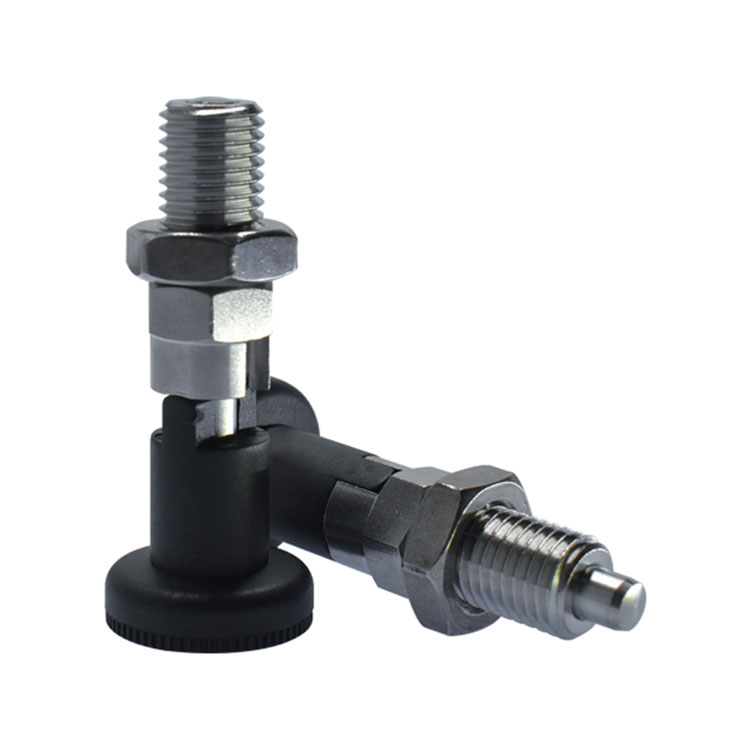
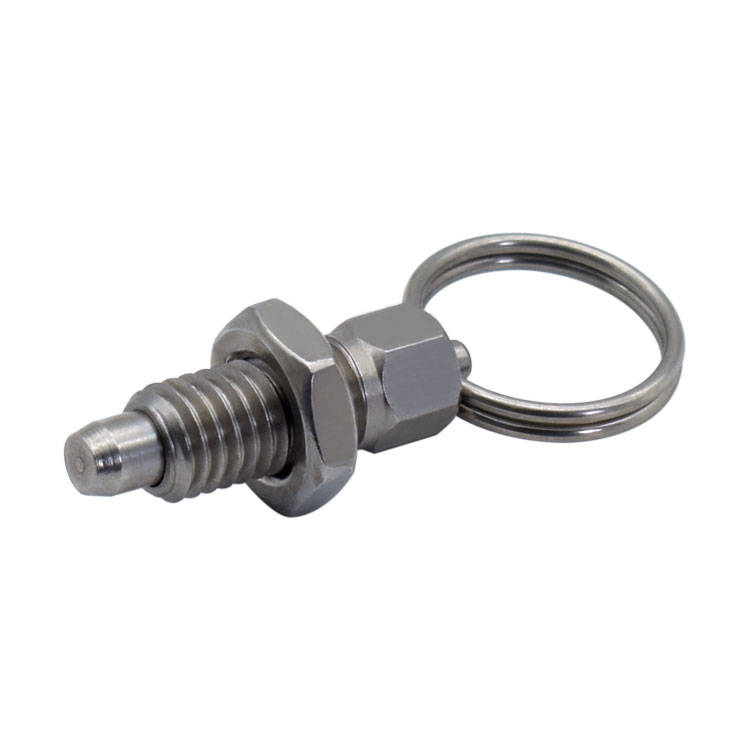
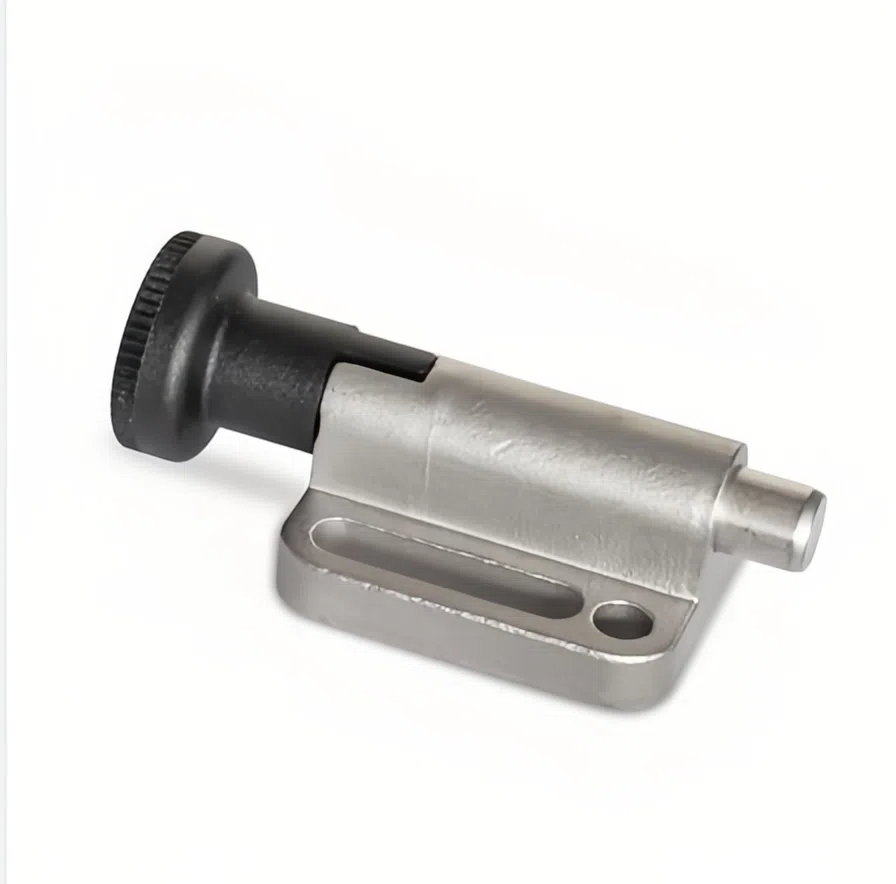
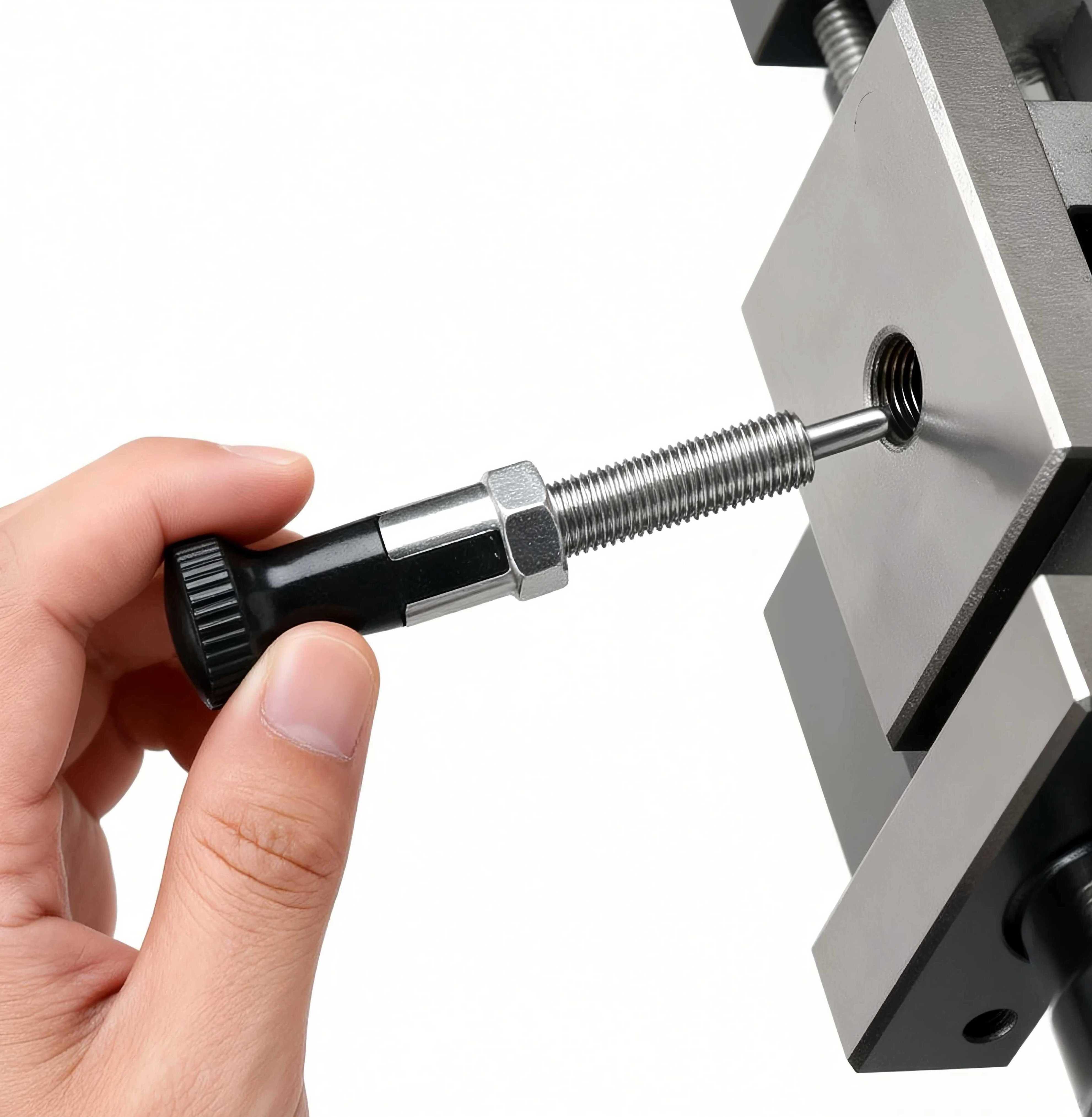
The Indexing Plunger is a standardised component used in mechanical equipment to achieve rapid positioning and locking. It consists of a plunger, spring, handle, and other parts. The spring force causes the plunger head to extend or retract, thereby controlling the precise positioning or limiting of equipment components.
Indexing Plungers are widely used in industrial applications such as automated equipment, fixture systems, and conveying devices. They have high performance requirements for materials, particularly in terms of wear resistance and corrosion resistance.
Indexing Plungers are widely used in industrial applications such as automated equipment, fixture systems, and conveying devices. They have high performance requirements for materials, particularly in terms of wear resistance and corrosion resistance.
Advantages of Stainless Steel 304 in Indexing Plungers
- Corrosion-resistant, suitable for various environments
Indexing plungers made of Stainless Steel 304 can be used long-term in humid and mildly corrosive environments without frequent replacement or maintenance. They are particularly suitable for applications with high cleanliness and rust prevention requirements, such as food processing equipment, medical devices, and outdoor installations.
- Excellent wear resistance
Although 304 stainless steel is not the hardest material, its wear resistance meets the requirements of most conventional mechanical positioning applications, capable of withstanding daily repetitive operations without easy damage.
- Flexible processing and easy customisation
304 material is suitable for CNC machining such as turning, milling, and drilling, allowing customers to customise Indexing Plungers of various sizes and structures according to their needs, enhancing equipment compatibility.
Aesthetically pleasing appearance, suitable for applications with surface finish requirements
Some high-end equipment or exposed mechanical components have certain aesthetic requirements. 304 stainless steel offers excellent polishing results, enhancing the overall product quality.
Some high-end equipment or exposed mechanical components have certain aesthetic requirements. 304 stainless steel offers excellent polishing results, enhancing the overall product quality.
Limitations of 304 Stainless Steel for Indexing Plungers
- Relatively low hardness
Compared to tool steel or hardened alloy materials, 304 stainless steel has lower hardness. In high-frequency, high-load mechanical positioning environments, the plunger head may wear out more quickly and is less durable than reinforced materials.
- Relatively higher cost
Compared to carbon steel or certain alloy steels, 304 material has a higher cost and is suitable for applications with explicit corrosion resistance requirements. If the application environment does not require corrosion resistance, 304 material may not be the most cost-effective choice.
- Cannot be strengthened through heat treatment
Stainless Steel 304 cannot be hardened through traditional heat treatment and is suitable for positioning applications with moderate strength requirements. If high-hardness materials are needed, alternative materials such as Stainless Steel 316 or 17-4PH should be considered.
Ball Locking Pins for Audio Line Array
Ball Locking Pins with NASM/MS 17984 – 17990
Related Article
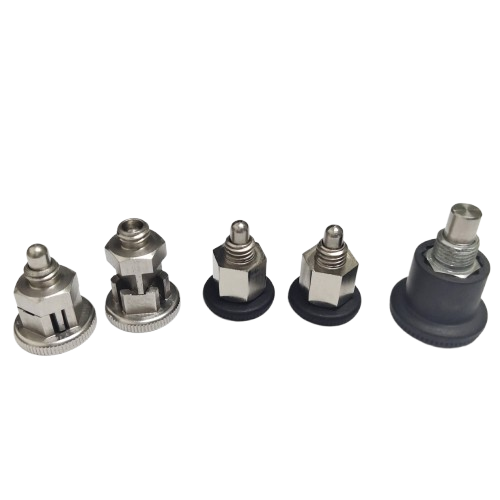
Explore the application of stainless steel materials for customizing mini indexing plungers based on specific operational environments and suitable spaces.
How To Make A Mini Indexing Plunger
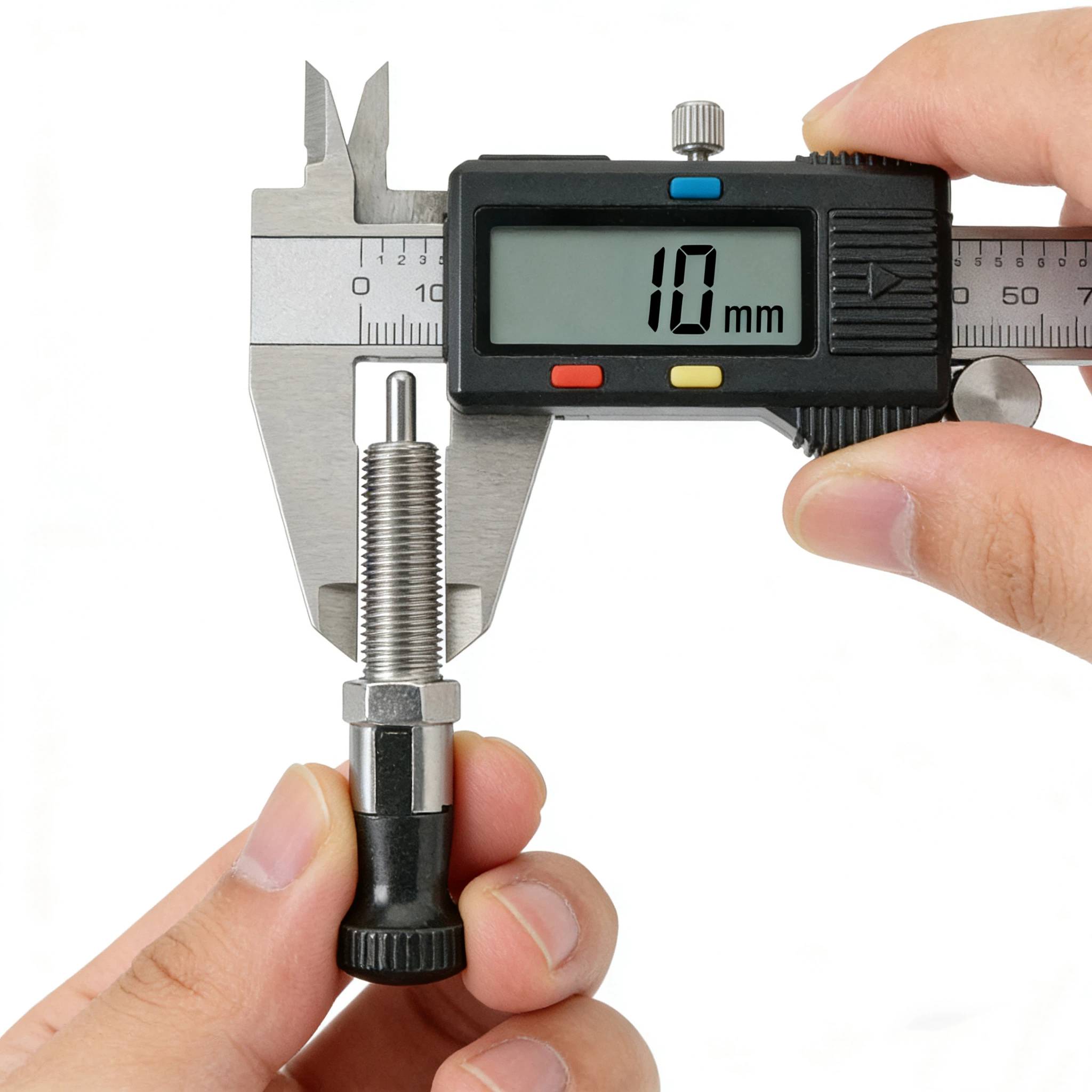
Discover how to choose correct size for indexing elements with confidence. Get precise recommendations that improve positioning accuracy, durability, and overall system performance.
How To Choose Correct Size For Indexing Elements