The Backbone Of CNC Fixturing
author: Fiona Yang
2025-08-23
The Backbone Of CNC Fixturing
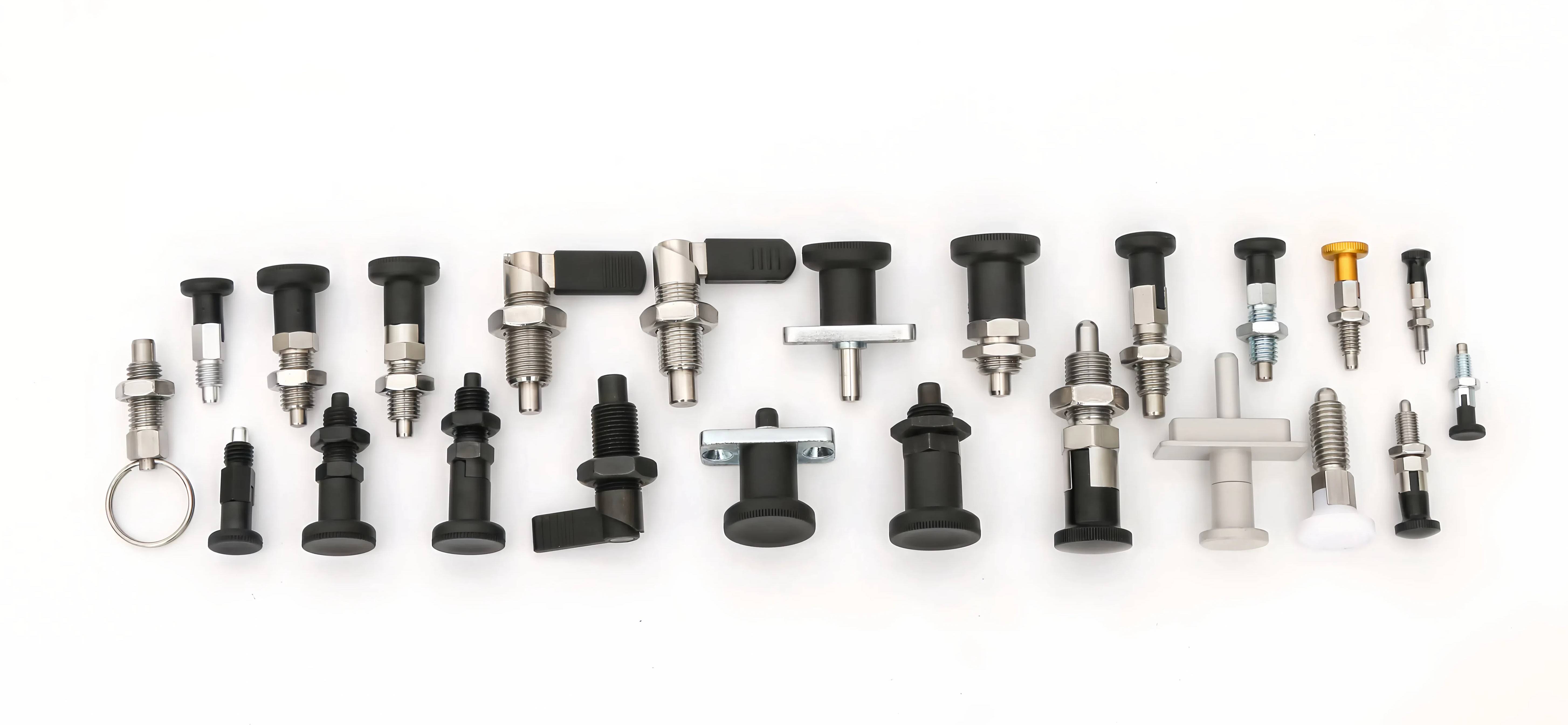
A fastener is more than just a piece of metal that holds a part in place. It's meticulously designed to ensure precision, achieve repeatability, prevent deformation, and, most importantly, maximize uptime by enabling quick part replacement. It's no exaggeration to say that fixtures are the backbone of CNC jigs. Today, we'll focus on two such specialized fasteners: indexing plungers and ball locking pins.
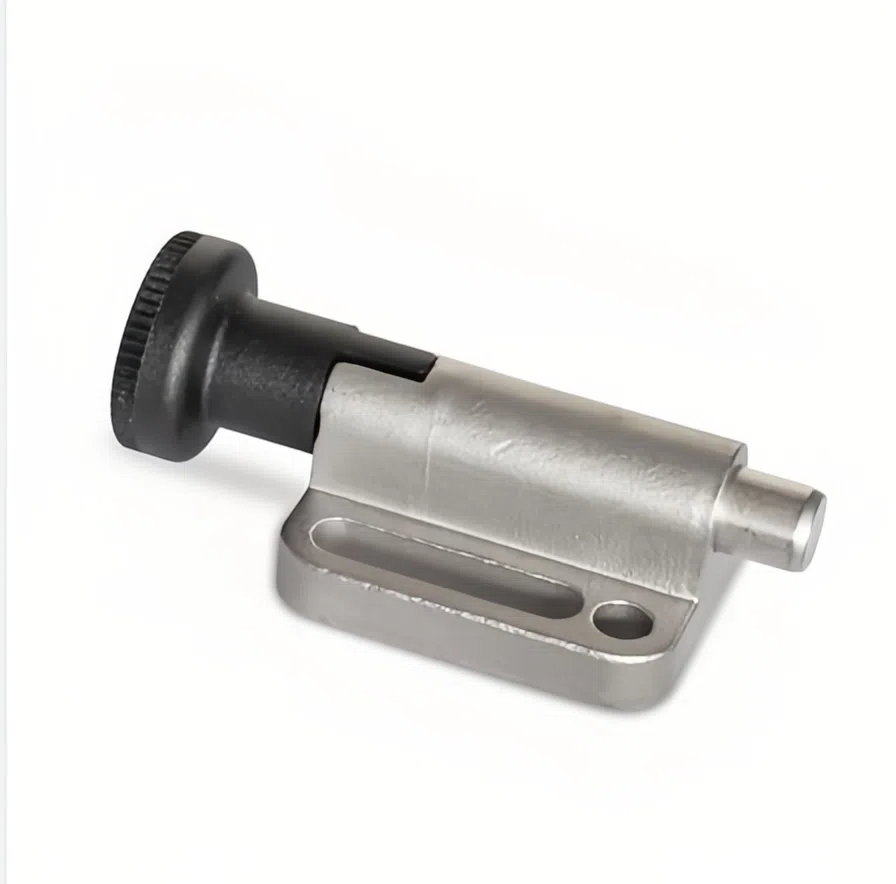
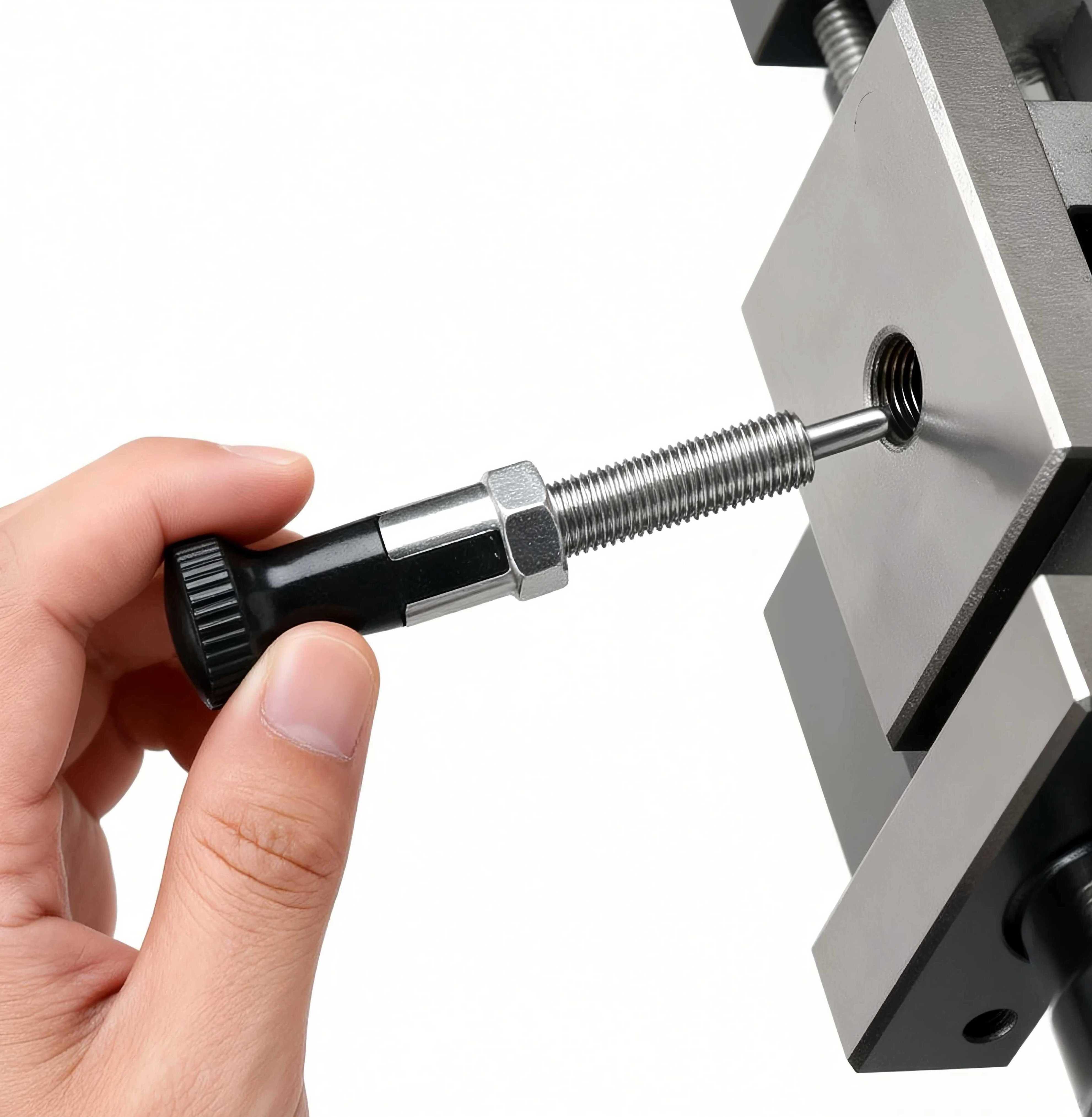
The indexing plunger is a mechanical marvel, designed primarily to provide extremely precise and repeatable positioning. It consists of a spring-loaded pin that engages a corresponding hole or slot in the part or baseplate. Manually pull and turn a knob to retract the pin, position the part, and then release the knob. An internal mechanism ensures that the pin extends only when its tip is perfectly aligned with the hole, ensuring a perfect seat every time.

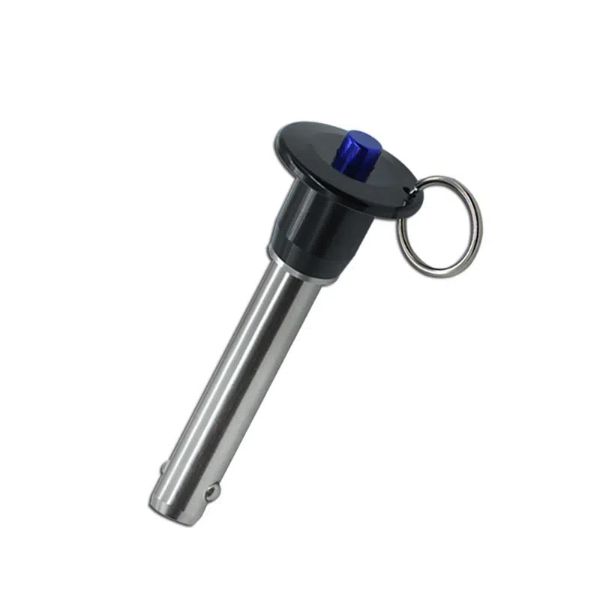
These pins feature an ingenious internal mechanism. When you press a button on the handle, a series of precision balls within the pin's stem retract, allowing it to slide in effortlessly. Once fully inserted, releasing the handle forces the tapered actuator behind the ball bearing to lock it outward into the matching groove in the bushing. This creates an extremely strong, rigid connection. Heavy-duty fixture plates can be replaced in seconds. This is the core technology behind modern pallet changers and zero-point mounting systems. The ball lock mechanism provides vise-like clamping force, far superior to threaded fixtures, eliminating any micro-motion that could damage close-tolerance parts.
While components like indexing plungers and ball locking pins are often overlooked, they're more than just accessories; they're fundamental, enabling technology. Contact us to learn more!
What Is Aluminum
Types of Stainless Steel Grades
Related Article
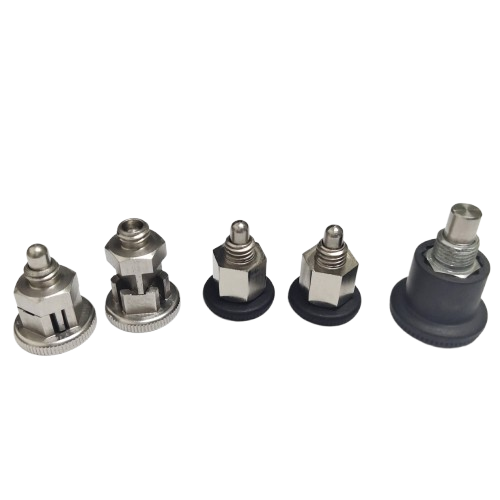
Explore the application of stainless steel materials for customizing mini indexing plungers based on specific operational environments and suitable spaces.
How To Make A Mini Indexing Plunger
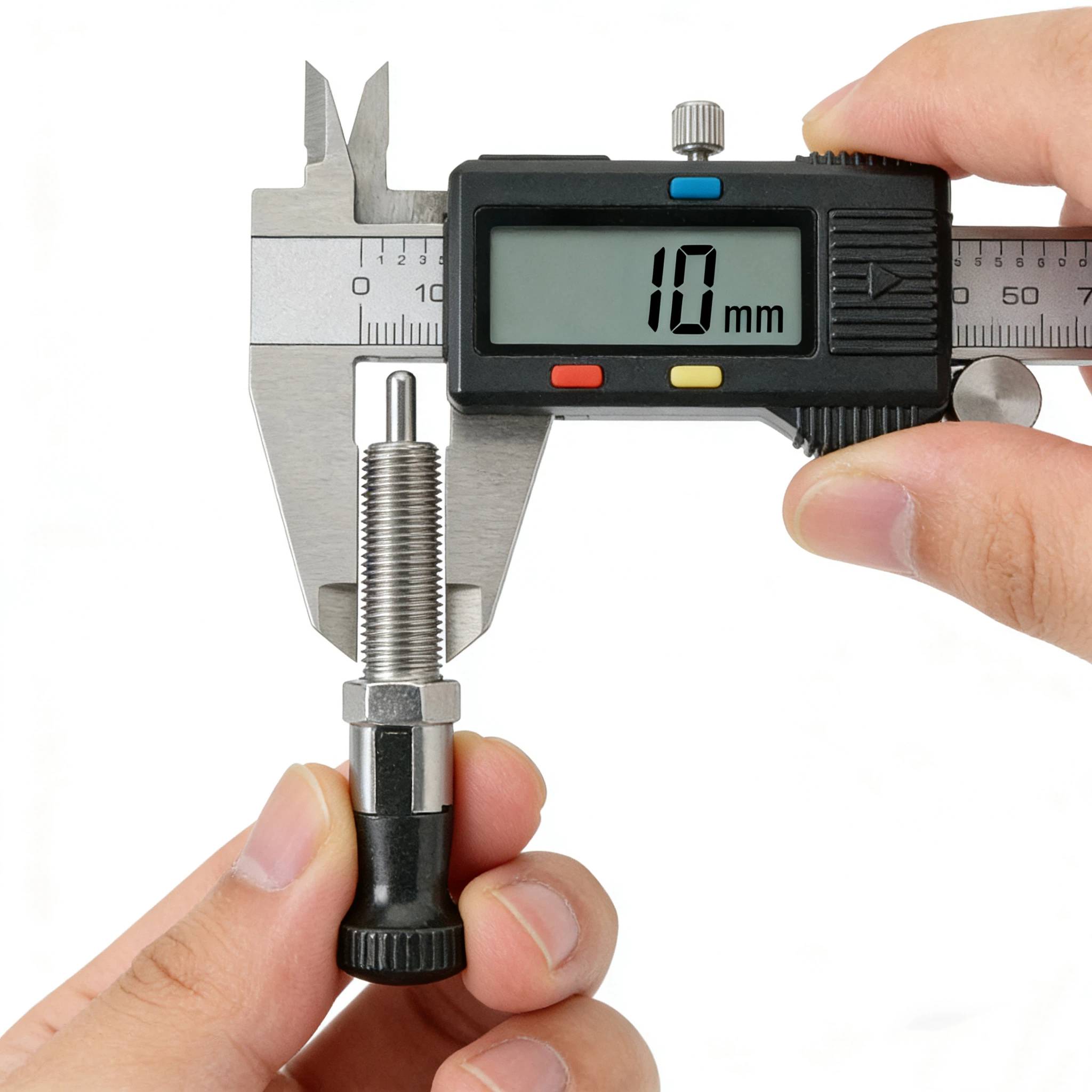
Discover how to choose correct size for indexing elements with confidence. Get precise recommendations that improve positioning accuracy, durability, and overall system performance.
How To Choose Correct Size For Indexing Elements