What Are Fasteners In Construction
What Are Fasteners in Construction? The Unsung Heroes of Structural Integrity
Introduction
In the world of construction, the strength and durability of a structure depend not only on the materials used but also on the components that hold everything together. Fasteners, though often overlooked, are the unsung heroes of construction, ensuring that buildings, bridges, and other structures remain safe, stable, and secure. But what exactly are fasteners, and why are they so crucial in construction? This article explores the types, uses, and importance of fasteners in the construction industry.

What Are Fasteners?
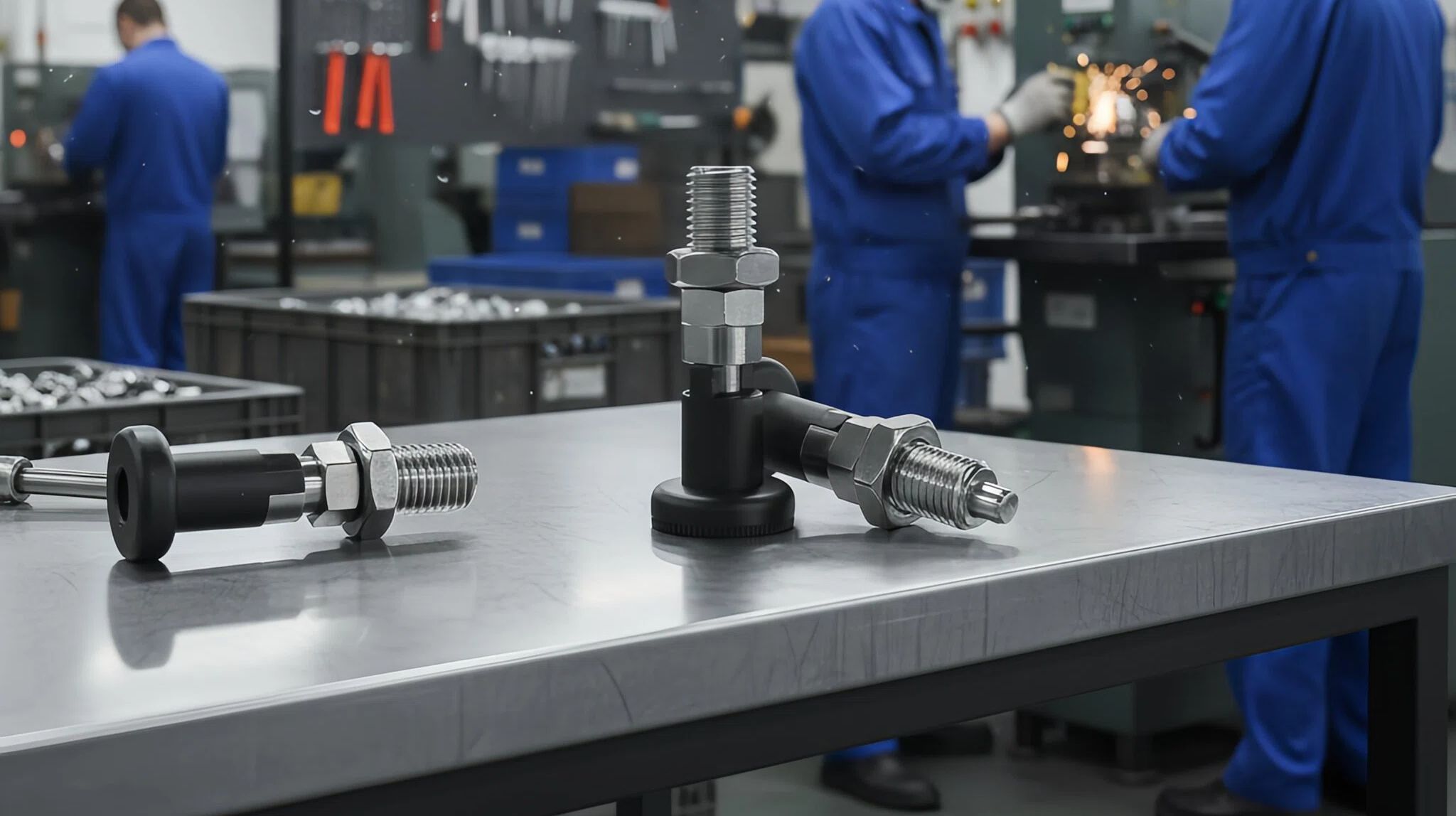
Fasteners are hardware devices used to join or secure two or more components together. They come in various shapes, sizes, and materials, each designed for specific applications and load requirements. Fasteners are essential in construction because they provide the necessary strength and stability to hold structures together, ensuring safety and longevity.
Types of Fasteners Used in Construction
-
Bolts and Nuts: Used for heavy-duty applications, such as steel framing and structural connections.
-
Screws: Ideal for securing materials like wood, drywall, and metal sheets.
-
Nails: Commonly used in wood framing and roofing due to their simplicity and cost-effectiveness.
-
Anchors: Provide secure attachment points for materials to concrete, masonry, or other solid surfaces.
-
Rivets: Used in metal structures, such as bridges and aircraft, for permanent fastening.
-
Clips and Clamps: Used to hold pipes, cables, or other components in place.
Why Are Fasteners Important in Construction?
Fasteners play a critical role in construction for several reasons:
-
Structural Integrity: They ensure that components are securely joined, preventing failures or collapses.
-
Safety: Properly installed fasteners reduce the risk of accidents caused by loose or unstable structures.
-
Durability: High-quality fasteners resist corrosion, wear, and environmental factors, extending the lifespan of structures.
-
Flexibility: Fasteners allow for adjustments, repairs, and disassembly, making construction and maintenance more efficient.
Applications of Fasteners in Construction
Fasteners are used in virtually every aspect of construction, including:
-
Framing: Securing wooden or metal frames for walls, floors, and roofs.
-
Concrete Work: Anchoring rebar, formwork, and structural elements to concrete surfaces.
-
Roofing: Attaching shingles, tiles, or metal sheets to the roof structure.
-
Plumbing and Electrical Systems: Securing pipes, conduits, and fixtures in place.
-
Finishing Work: Installing drywall, trim, and decorative elements.
Challenges in Fastener Selection and Installation
Choosing the right fastener for a construction project is critical. Factors to consider include:
-
Load Requirements: The fastener must withstand the weight and stress of the structure.
-
Material Compatibility: Fasteners must be compatible with the materials they are joining to prevent corrosion or weakening.
-
Environmental Conditions: Fasteners must resist factors like moisture, temperature changes, and chemical exposure.
-
Installation Techniques: Proper installation ensures optimal performance and safety.
Innovations in Fastener Technology
As construction methods evolve, so do fasteners. Recent innovations include:
-
Self-Drilling Screws: Combine drilling and fastening into one step, saving time and labor.
-
Corrosion-Resistant Coatings: Extend the lifespan of fasteners in harsh environments.
-
Smart Fasteners: Equipped with sensors to monitor tension, load, and structural integrity in real time.
Learn what are fasteners in construction—essential components like screws, bolts, and nails that ensure strong, durable, and secure connections in building and infrastructure projects.
Expert Insights
John Matthews, a construction engineering consultant, explains, "Fasteners are the backbone of any structure. Their quality and proper installation can make the difference between a building that stands the test of time and one that fails prematurely."
Conclusion
Fasteners may be small, but their role in construction is monumental. From ensuring structural integrity to enhancing safety and durability, these essential components are the glue that holds buildings and infrastructure together. As construction techniques and materials continue to advance, fasteners will remain a critical element, driving innovation and reliability in the industry.
Disclaimer: This article is for informational purposes only. The views expressed are those of the author and do not necessarily reflect the official policy or position of any organization.
What Is A Fastener In Automotive
What Is A Ballscrew