What Is A Force Ball Plunger
What Is A Force Ball Plunger?
Force ball plungers are versatile mechanical components widely used in various industries for positioning, indexing, and applying consistent pressure. These devices are essential in applications requiring precise alignment and secure locking. Understanding their design, functionality, and applications can help you make the most of these useful tools.


1. Design and Components
Basic Structure:
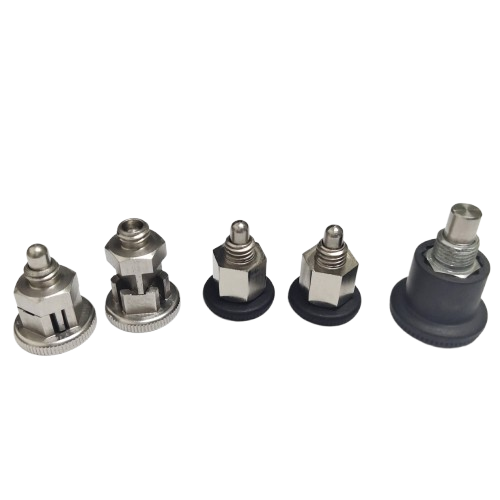
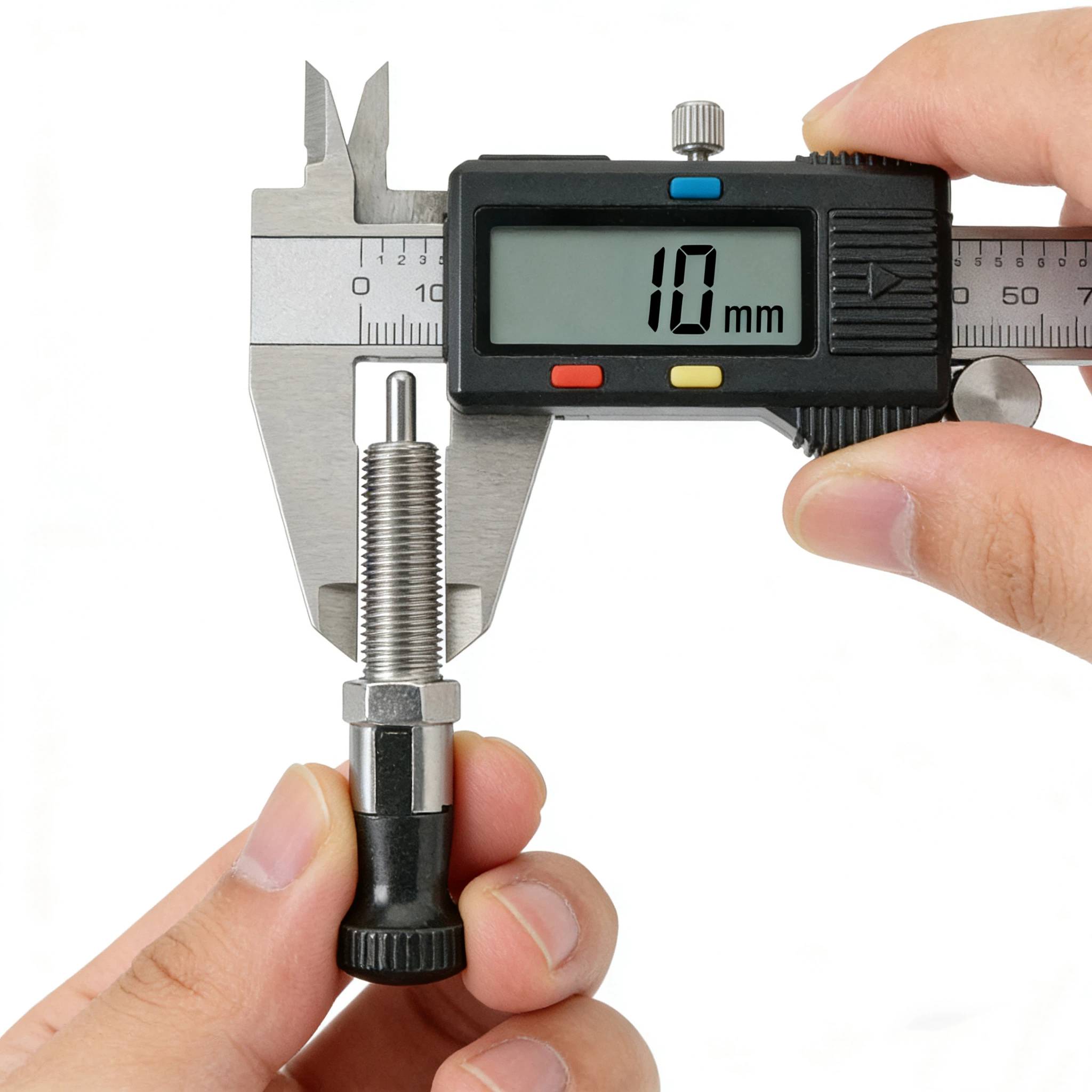
A force ball plunger typically consists of a threaded body, a spring-loaded ball, and a retaining mechanism. The threaded body allows for easy installation into a tapped hole, while the spring-loaded ball provides the necessary force for positioning or locking.
Materials:
Force ball plungers are made from a variety of materials, including stainless steel, brass, and plastic. The choice of material depends on the application's requirements, such as load capacity, environmental conditions, and corrosion resistance.
Spring Mechanism:
The spring inside the plunger applies constant pressure to the ball, ensuring it remains in contact with the mating surface. This mechanism allows for smooth operation and reliable performance.
2. Functionality and Applications
Positioning and Indexing:
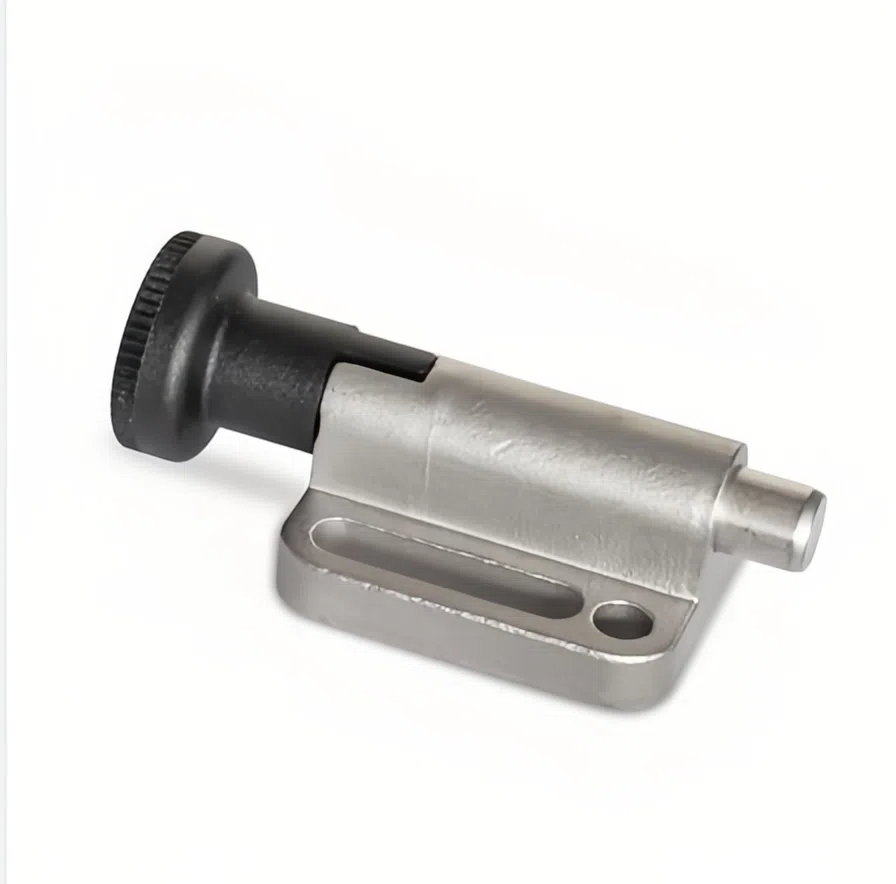
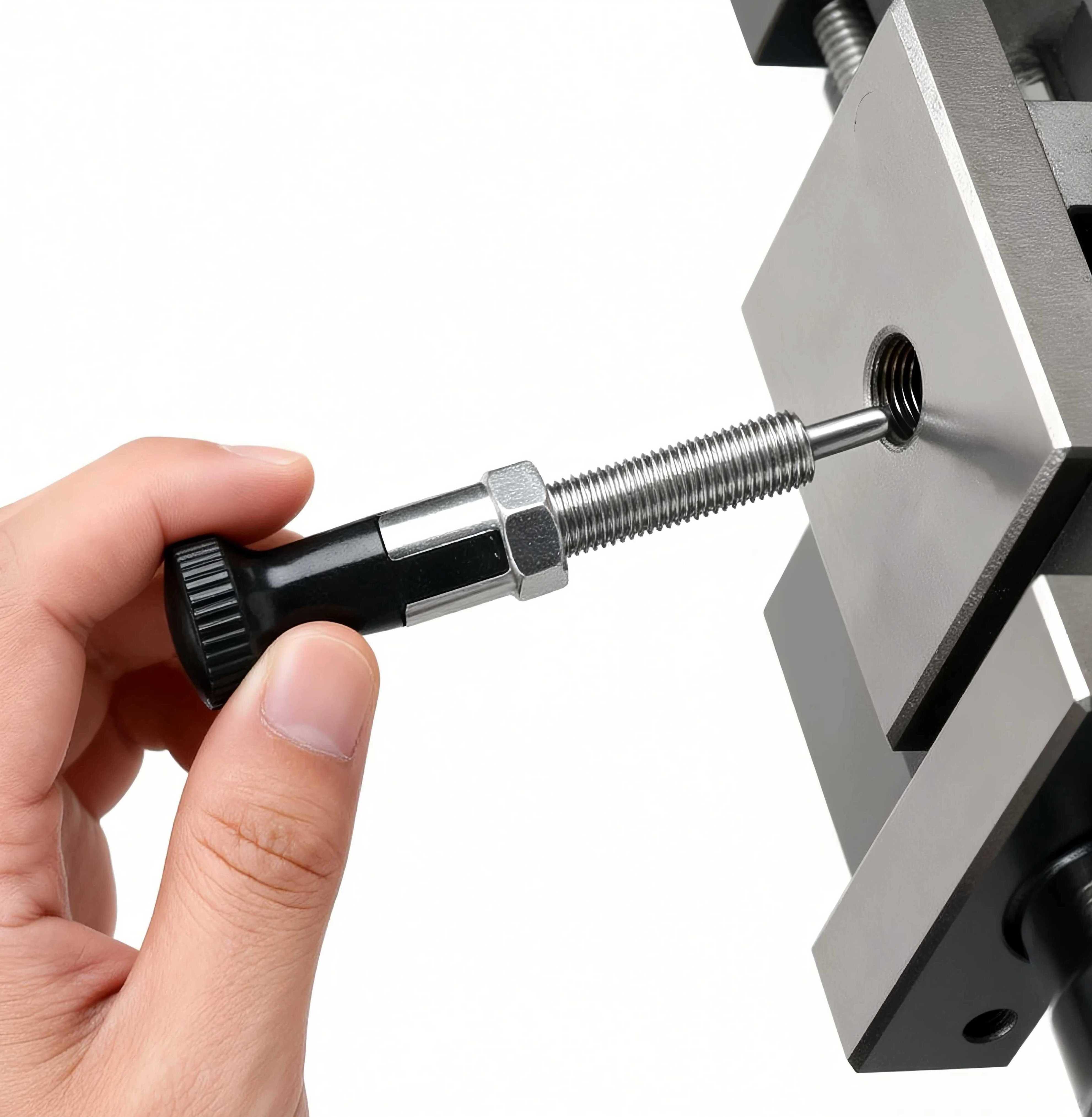
Force ball plungers are commonly used for positioning and indexing components in machinery and equipment. They provide a detent mechanism that ensures parts are aligned correctly and securely locked in place.
Applying Consistent Pressure:
These plungers are also used to apply consistent pressure in applications such as clamping, holding, and tensioning. The spring-loaded ball ensures that the force remains constant, even with minor variations in the mating surface.
Versatility:
Force ball plungers are used in a wide range of industries, including automotive, aerospace, manufacturing, and electronics. Their versatility makes them suitable for various applications, from simple alignment tasks to complex mechanical systems.
3. Advantages of Using Force Ball Plungers
Precision:
Force ball plungers offer high precision in positioning and alignment tasks. Their design ensures that components are securely locked in place, reducing the risk of misalignment.
Durability:
Made from robust materials, force ball plungers are designed to withstand harsh conditions and heavy use. This durability makes them a reliable choice for demanding applications.
Ease of Installation:
The threaded body of force ball plungers allows for easy installation into tapped holes. This feature simplifies the assembly process and reduces downtime.
4. Maintenance and Care
Regular Inspection:
To ensure optimal performance, regularly inspect force ball plungers for signs of wear, corrosion, or damage. Replace any worn or damaged components promptly.
Lubrication:
Keep the plungers well-lubricated to ensure smooth operation and prevent rust. Use a lubricant compatible with the plunger's material and the operating environment.
Proper Handling:
Handle force ball plungers with care to avoid dropping or striking them, which can cause damage. Use the correct tools for installation and removal to prevent unnecessary stress on the components.
Explore durable force ball plungers for secure positioning and locking applications. Learn what a force ball plunger is and how it provides controlled spring force in fixtures and machinery. Ideal for precision engineering. Contact us for high-quality solutions!
What Is Audio Line Arrays Quick Release Pins
Spring Loaded Plungers Mechanism
Related Article