What Is Ok Vise & How to Use
author: Lucia Liu
2025-10-31
What Is Ok Vise & How to Use
Table of Contents
Basic Concept | Main Components | Primary Functions | How It Works | Typical Applications | FAQ
Basic Concept | Main Components | Primary Functions | How It Works | Typical Applications | FAQ
Basic Concept of Ok Vise
Ok Vise is a mechanical clamping system based on wedge-shaped structural design, primarily used in CNC machining, mold manufacturing, assembly, and inspection processes. Compared to traditional fixtures, Ok Vise occupies a smaller installation space while generating extremely high clamping force, making it widely adopted in multi-station fixtures and flexible clamping systems.
Ok Vise is a mechanical clamping system based on wedge-shaped structural design, primarily used in CNC machining, mold manufacturing, assembly, and inspection processes. Compared to traditional fixtures, Ok Vise occupies a smaller installation space while generating extremely high clamping force, making it widely adopted in multi-station fixtures and flexible clamping systems.

Main Components of an OK Vise
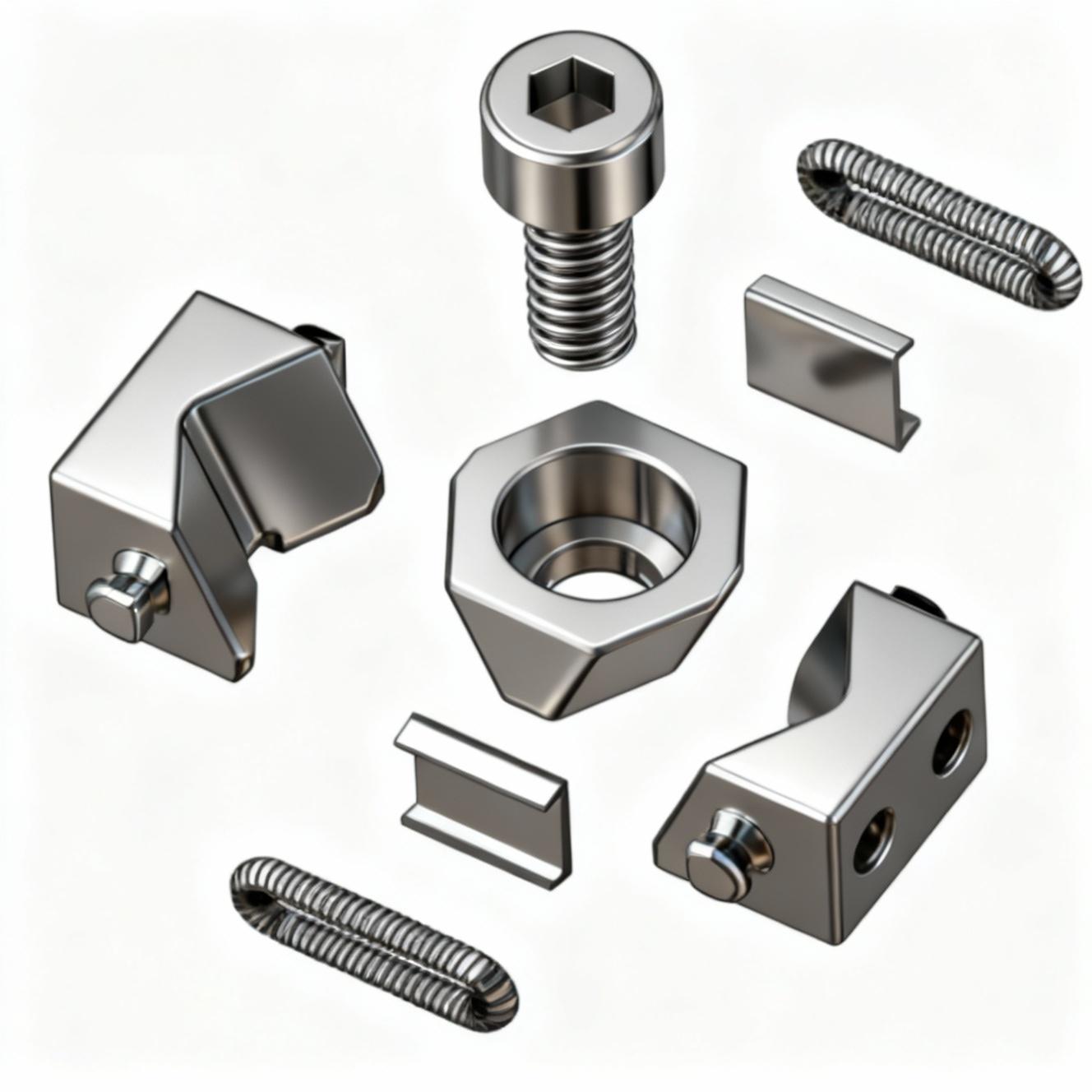
A typical OK vise clamping system usually consists of the following three parts:
Wedge Clamp: The core component that achieves clamping action through the inclined plane principle.
Base Plate: Secures the entire clamping system, ensuring structural stability during clamping operations.
Bolts & Fasteners: Apply force to drive the wedge block along the inclined plane, generating clamping pressure.
All components of the OK Vise are typically manufactured from high-strength alloy steel or stainless steel. This ensures long-term wear resistance, corrosion resistance, and maintains clamping stability under high-pressure conditions.
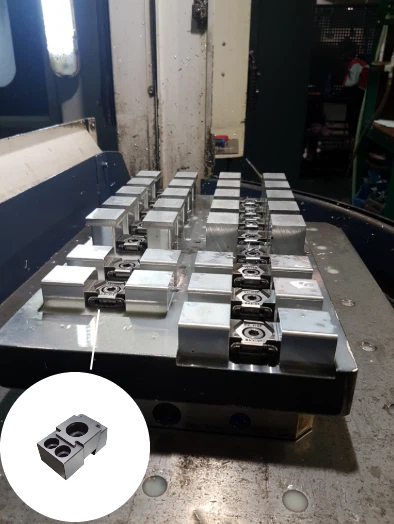
Primary Functions
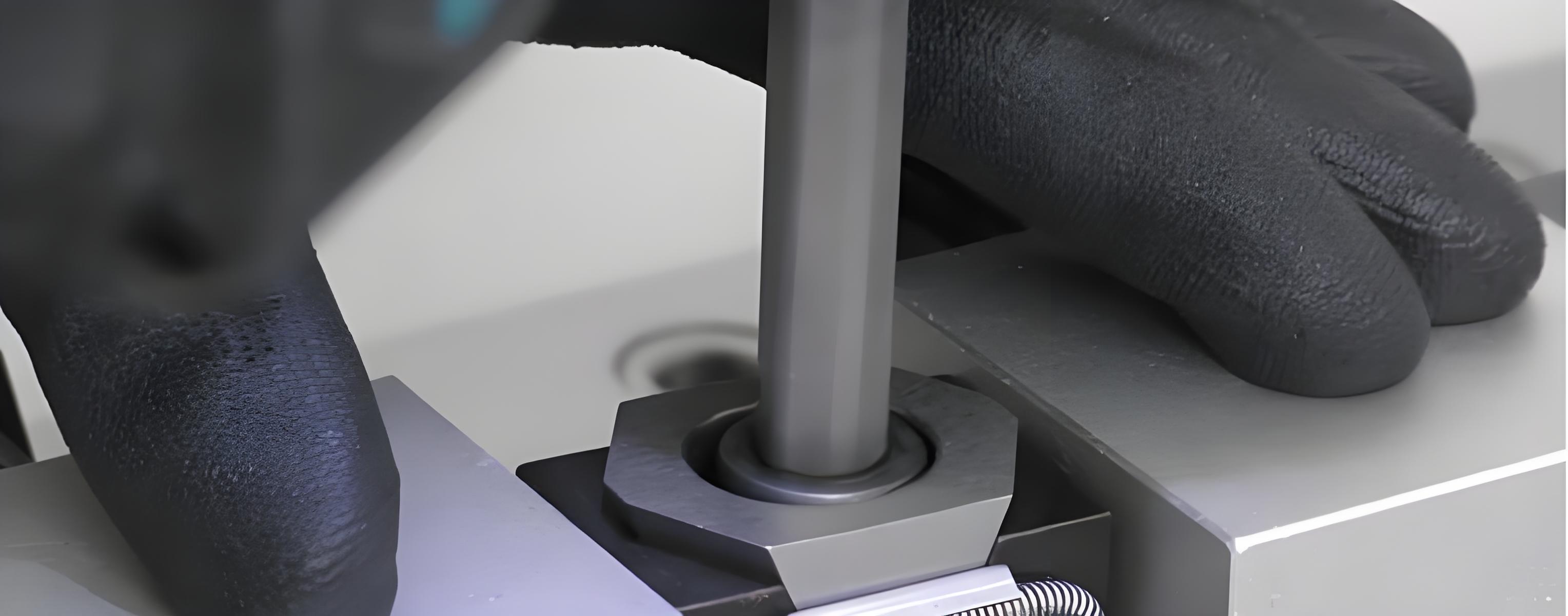
The primary function of Ok Vise clamps is to provide efficient and stable workpiece clamping. Through its mechanical conversion mechanism utilizing wedge-shaped clamping blocks, Ok Vise transforms vertical bolt force into lateral clamping force, enabling secure holding of metal, plastic, or composite workpieces.
Key technical features include:
High clamping force: Achieves powerful fixation in compact spaces.
High Repeatability: Ideal for batch production.
Installation Flexibility: Compatible with various fixture systems.
Compact and Durable Design: Particularly suited for high-precision CNC equipment.
How Ok Vise Works
The core of Ok Vise lies in its wedge mechanism principle. During operation, the user tightens the bolt, causing the wedge block to move downward along the inclined surface. As the wedge block displaces, the clamping jaws on both sides are forced outward, generating powerful lateral clamping force.
This mechanism ensures Ok Vise maintains clamping stability even in high-vibration, high-speed machining environments. The high-precision machined stainless steel surfaces strictly control the friction coefficient between jaws, guaranteeing smooth and repeatable clamping action.
Furthermore, Ok Vise clamps feature a simple structure and easy maintenance. Requiring no complex adjustment mechanisms, they only need periodic inspection of bolt and jaw wear to sustain reliable performance over extended periods.
Typical Applications of Ok Vise
1. CNC Machining Centers
1. CNC Machining Centers
During CNC milling, drilling, or cutting operations, stable workpiece clamping is fundamental to machining accuracy. Ok Vise is widely used on CNC workstations due to its high clamping force and compact design. It effectively reduces vibration and enhances surface finish quality, maintaining consistent clamping performance—especially when machining stainless steel parts.
2. Multi-Station Fixtures and Automated Production Lines
Multi-station fixture systems demand compact footprints and rapid workpiece changeovers. Ok Vise clamps feature a low-profile structure with minimal space requirements, making them ideal for automated machining centers and flexible manufacturing systems. Their quick installation and repeatable positioning capabilities significantly boost production efficiency.
3. Mold Machining and Inspection Equipment
In mold manufacturing, Ok Vise clamps are commonly used to secure mold steel blocks or inspection fixtures. Crafted from precision-ground stainless steel, they clamp without damaging workpiece surfaces while maintaining exceptional repeatability.
4. Assembly and Measurement Applications
Ok Vise also plays a vital role in precision assembly and inspection processes. Its stable clamping performance minimizes measurement errors and enhances assembly accuracy. For high-precision components such as aerospace parts, medical devices, and electronic assemblies, Ok Vise provides reliable support and positioning solutions.
FAQ
Q: What materials do you use for manufacturing ok vise?
Q: What is your MOQ for the product?
A: 100-200
Q: How to install the ok vise?
A: When installing the Ok Vise, first ensure the workbench is level and clean. Secure the base in the appropriate position, then place the workpiece. Adjust the jaw spacing to center the workpiece. Next, tighten the bolts to push the wedges down the inclined surface, generating clamping force. Finally, verify the workpiece is securely held with even contact. Throughout the process, maintain base contact and moderate clamping force. Regularly clean and lubricate the clamps to ensure high precision and stable performance in machining environments.
Upgrade your fixture setup with Ok Vise – the ultimate solution for compact and powerful clamping.
Quick Release Ball Lock Pins Revolutionize Kayak Motor Mounts with Secure, Tool-Free Installation
Quick Release Pins Revolutionize Door Latching: Delivering Security and Unmatched Operational Efficiency
Related Article
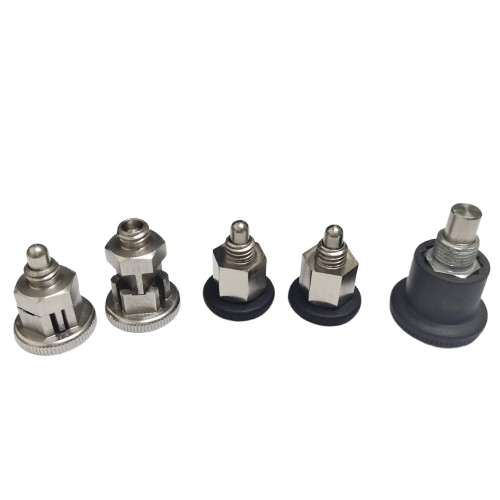
Explore the application of stainless steel materials for customizing mini indexing plungers based on specific operational environments and suitable spaces.
How To Make A Mini Indexing Plunger
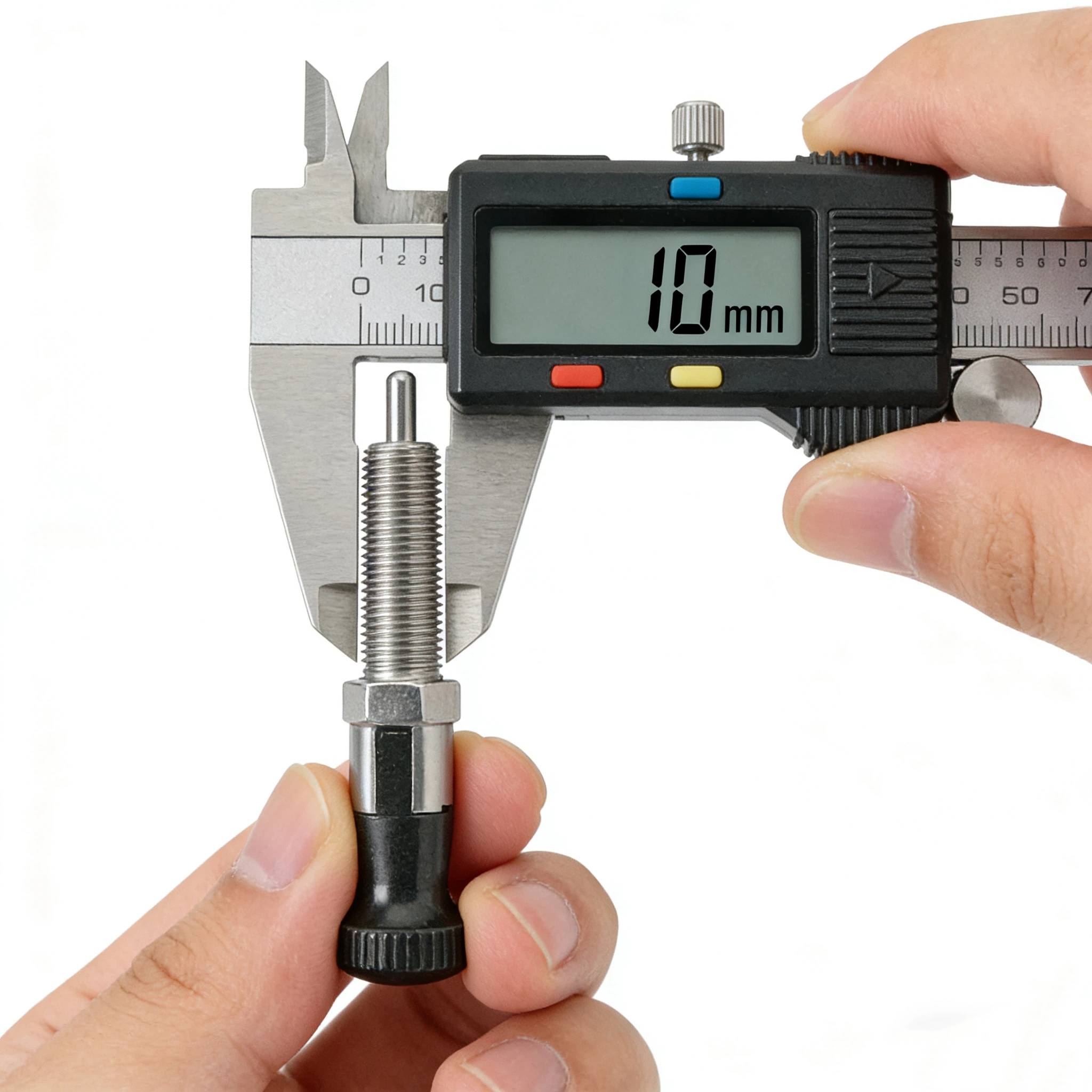
Discover how to choose correct size for indexing elements with confidence. Get precise recommendations that improve positioning accuracy, durability, and overall system performance.
How To Choose Correct Size For Indexing Elements