Difference Between SS316 And 316L
Difference Between SS316 And 316L
Stainless Steel 316 and 316L are two types of high-performance stainless steel that many engineers and procurement personnel frequently encounter. So, what exactly is the difference between them? This article will provide a systematic analysis of the differences between SS316 and 316L to help you make more informed decisions when selecting materials. Explore the difference between SS316 and 316L. Choose Stainless Steel316 for strength, durability, and rust resistance in harsh environments.
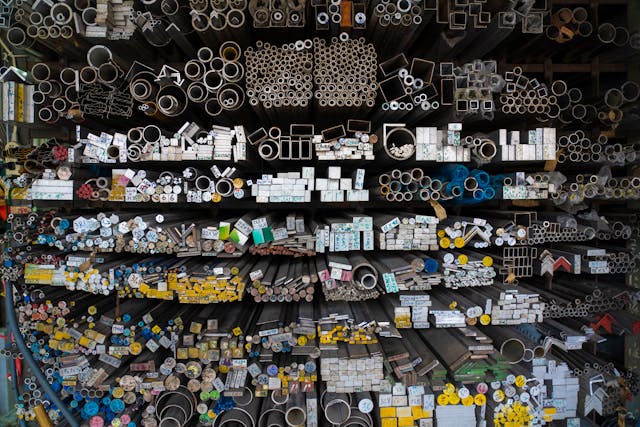
Stainless Steel 316 and 316L
Basic Concepts of Stainless Steel
Stainless steel is a type of iron-based alloy containing at least 10.5% chromium, known for its excellent corrosion resistance. Based on microstructural classification, stainless steel can be divided into austenitic, ferritic, and martensitic types. Among these, austenitic stainless steel (such as the 304 and 316 series) leads the market due to its superior comprehensive performance.
What is Stainless Steel 316?
Stainless Steel 316 is a molybdenum (Mo)-containing stainless steel. The addition of molybdenum significantly enhances its corrosion resistance in chloride environments. Compared to ordinary 304 stainless steel, 316 offers superior resistance to pitting corrosion and is suitable for applications such as marine equipment, chemical pipelines, and food processing equipment that require high corrosion resistance.
Stainless Steel 316 is a molybdenum (Mo)-containing stainless steel. The addition of molybdenum significantly enhances its corrosion resistance in chloride environments. Compared to ordinary 304 stainless steel, 316 offers superior resistance to pitting corrosion and is suitable for applications such as marine equipment, chemical pipelines, and food processing equipment that require high corrosion resistance.
Common properties of Stainless Steel 316 include:
High tensile strength and excellent high-temperature oxidation resistance;
Good weldability, suitable for various processing and forming processes;
Strong corrosion resistance, particularly outstanding in acidic or salt fog environments.
What is 316L?
The “L” in 316L stands for low carbon, with carbon content typically controlled below 0.03%. The primary purpose of low carbon content is to prevent carbide precipitation during welding, thereby avoiding intergranular corrosion and improving weldability and overall corrosion resistance.
The “L” in 316L stands for low carbon, with carbon content typically controlled below 0.03%. The primary purpose of low carbon content is to prevent carbide precipitation during welding, thereby avoiding intergranular corrosion and improving weldability and overall corrosion resistance.
The application areas of 316L include but are not limited to:
Pressure vessels and storage tanks;
Medical devices such as surgical instruments;
Various welded structures, especially in highly corrosive working environments.
How to choose the appropriate material?
After understanding the difference between SS316 and 316L, how to make a reasonable choice based on actual needs is a key concern for many companies and procurement personnel.
After understanding the difference between SS316 and 316L, how to make a reasonable choice based on actual needs is a key concern for many companies and procurement personnel.
Select based on environment
Marine environments or high salt fog environments: It is recommended to prioritize 316L, as it offers superior corrosion resistance and broader adaptability.
Marine environments or high salt fog environments: It is recommended to prioritize 316L, as it offers superior corrosion resistance and broader adaptability.
High-strength applications: Stainless Steel 316 can be selected, especially in environments with low corrosion levels, where SS316 offers better cost-effectiveness due to its higher strength.
Structures requiring frequent welding: 316L is the optimal choice, as it avoids additional processing costs and effectively prevents the risks associated with intergranular corrosion.
Specialized Fasteners: Solutions For Specific Applications
How High-Performance Fasteners Improve Efficiency And Safety