How To Measure Screw Thread Size-Mocayo Threaded Spring Ball Plungers
How To Measure Screw Thread Size – Mocayo Threaded Spring Ball Plungers
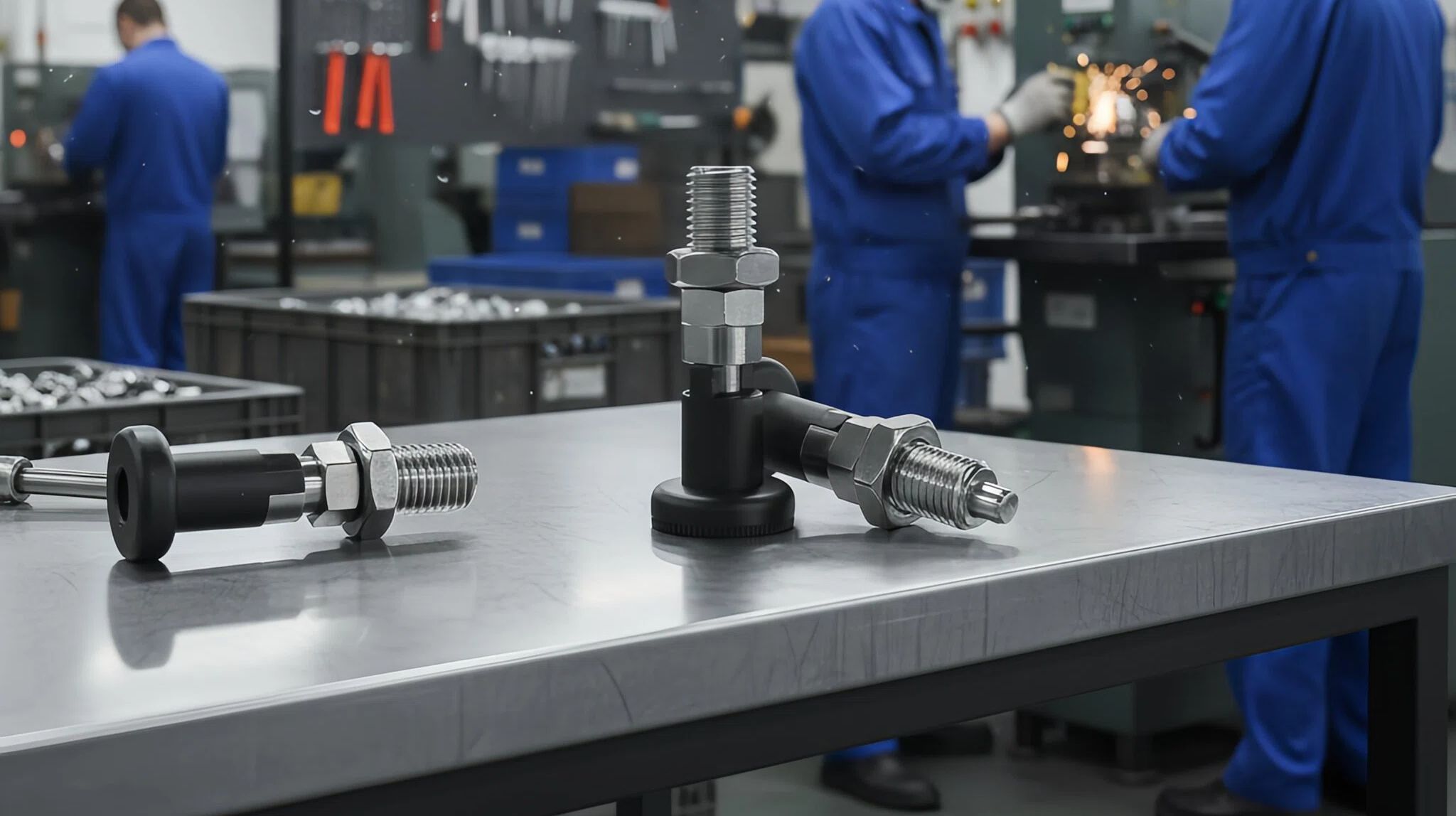
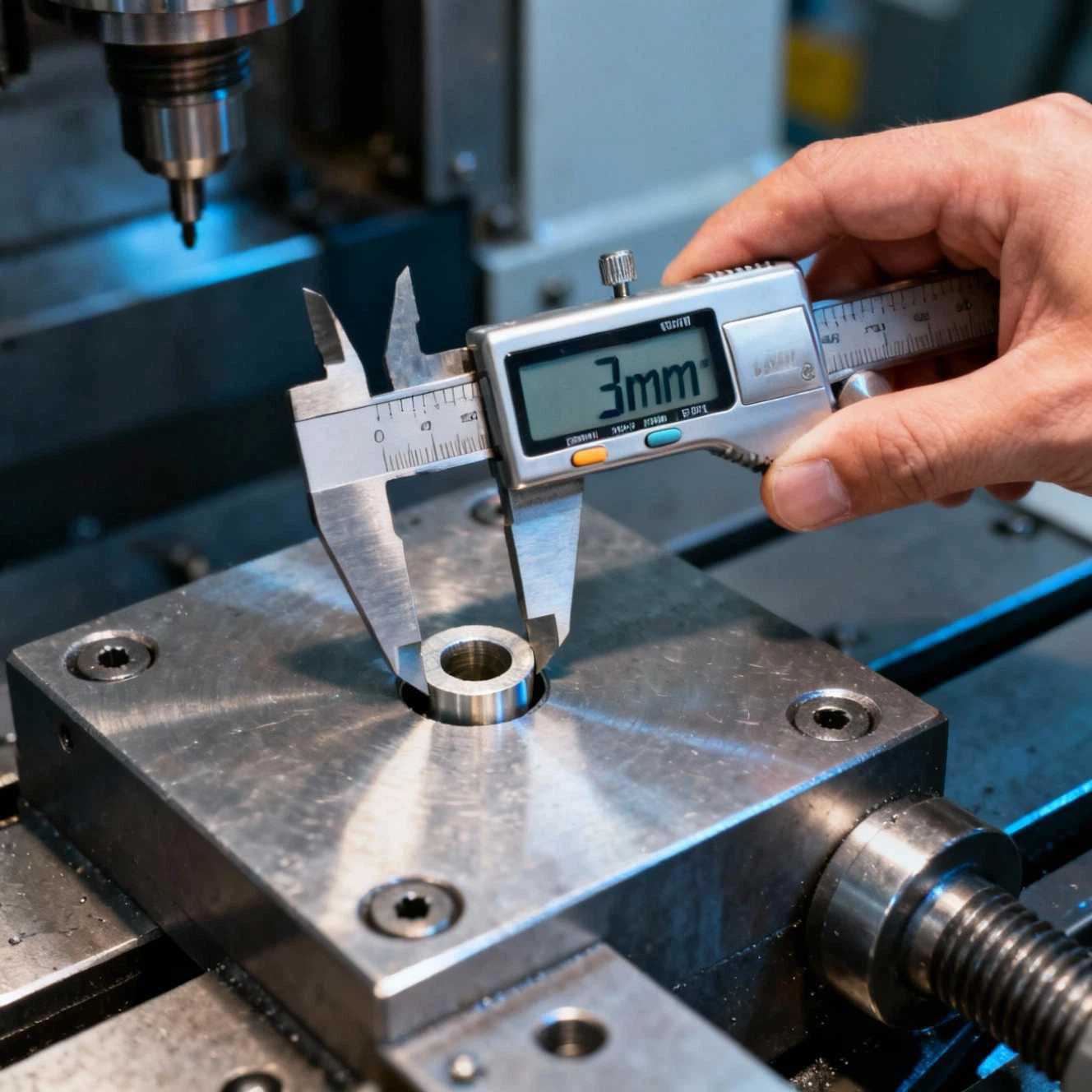
In the world of precision engineering, understanding how to measure screw thread size accurately is fundamental to ensuring the positioning precision and long-term reliability of components such as threaded spring ball plungers. This article, based on Mocayo’s advanced quality inspection data and engineering applications, outlines practical methods for screw thread measurement, introduces the core features of Mocayo’s spring ball plungers, and offers comprehensive guidance on selection, installation, and maintenance.
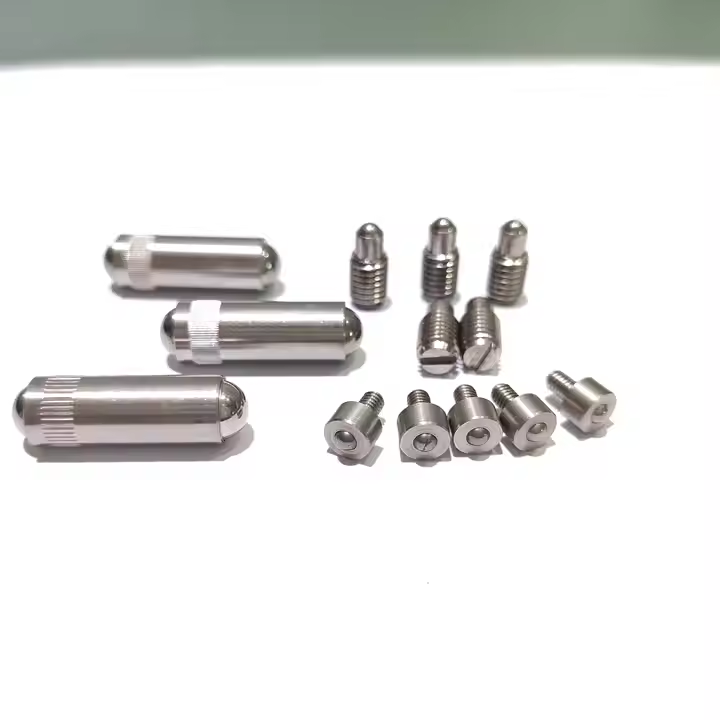
1. Professional Techniques for Measuring Screw Thread Size
In high-precision mechanical assemblies, the accuracy of screw thread size measurement is directly linked to the fit and performance of spring ball plungers. According to test results from Mocayo’s Quality Inspection Center, applying scientific measurement methods can enhance thread fit precision by over 40%.
For general inspection, we recommend ISO-standard thread plug gauges (Go/No-Go), which maintain a measurement tolerance within ±0.01 mm. However, material thermal expansion must also be considered. For instance, steel threads have a thermal expansion coefficient of 11.5×10⁻⁶/°C—a 10°C temperature variation could cause up to 0.015 mm/100 mm of dimensional deviation.
For high-precision applications, a Coordinate Measuring Machine (CMM) is advised, offering repeatability up to ±0.002 mm. The CMM is capable of evaluating the following parameters:
-
Major/minor diameter tolerance (per ISO 724)
-
Pitch accumulation error (≤0.02 mm/25 mm)
-
Thread angle deviation (within ±30')
To meet fast-paced production demands, Mocayo has developed a portable thread inspection device, capable of measuring all key parameters in under 30 seconds. One automotive parts supplier reported a 300% increase in inspection efficiency, with the defect outflow rate dropping below 0.1%.
2. Mocayo Threaded Spring Ball Plungers
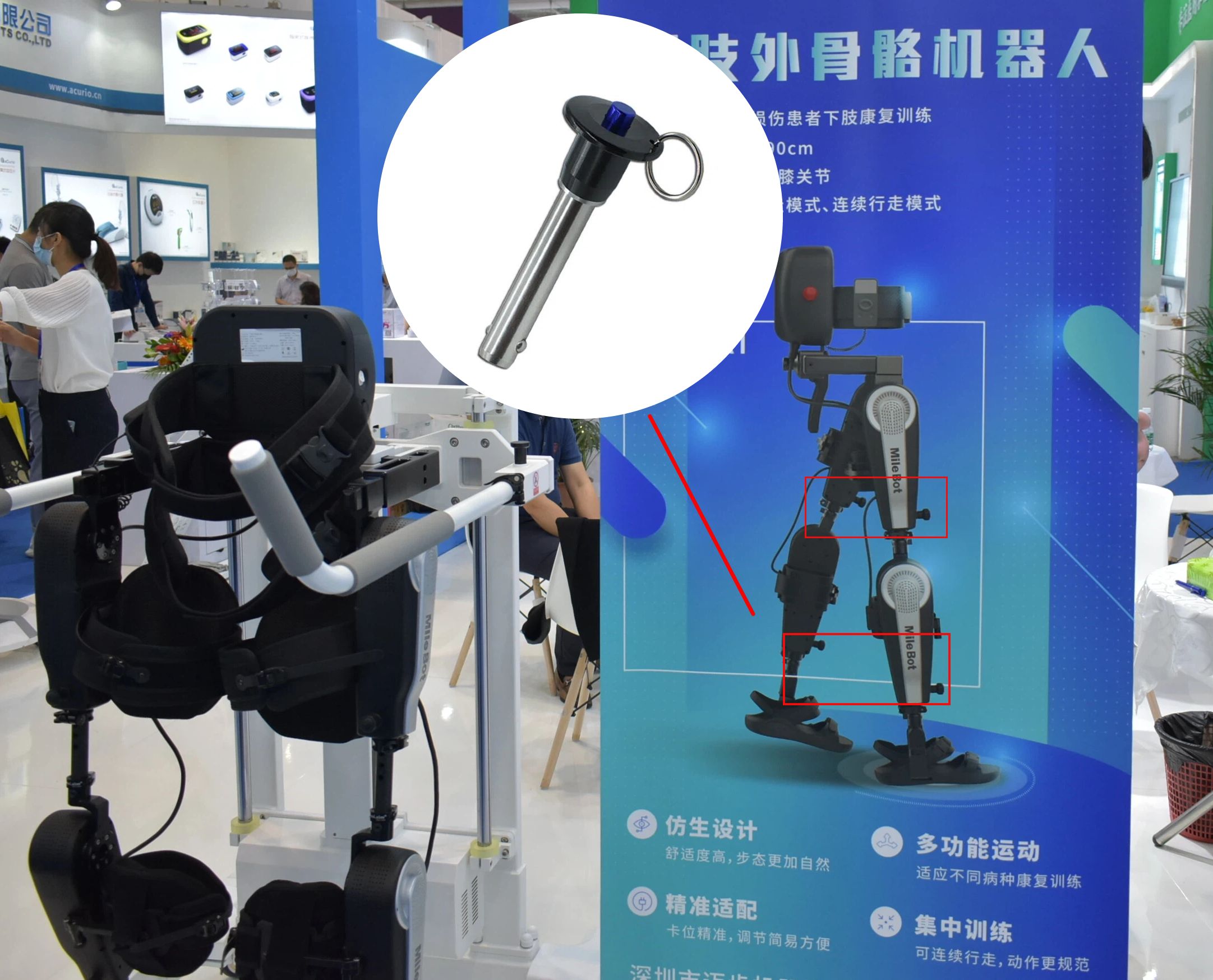
Mocayo offers a wide range of spring ball plungers designed for precision positioning under diverse conditions:
Standard Industrial Series
Metric Precision Plungers (M4–M12)
-
Material: SCM435 alloy steel, vacuum heat-treated to HRC58–62
-
Surface: Hard chrome plating (0.015–0.025 mm thickness), friction coefficient reduced to 0.12
-
Spring options: 50N / 100N / 150N
-
Use case: A CNC fixture using M8 plungers achieved ±0.01 mm repeatability
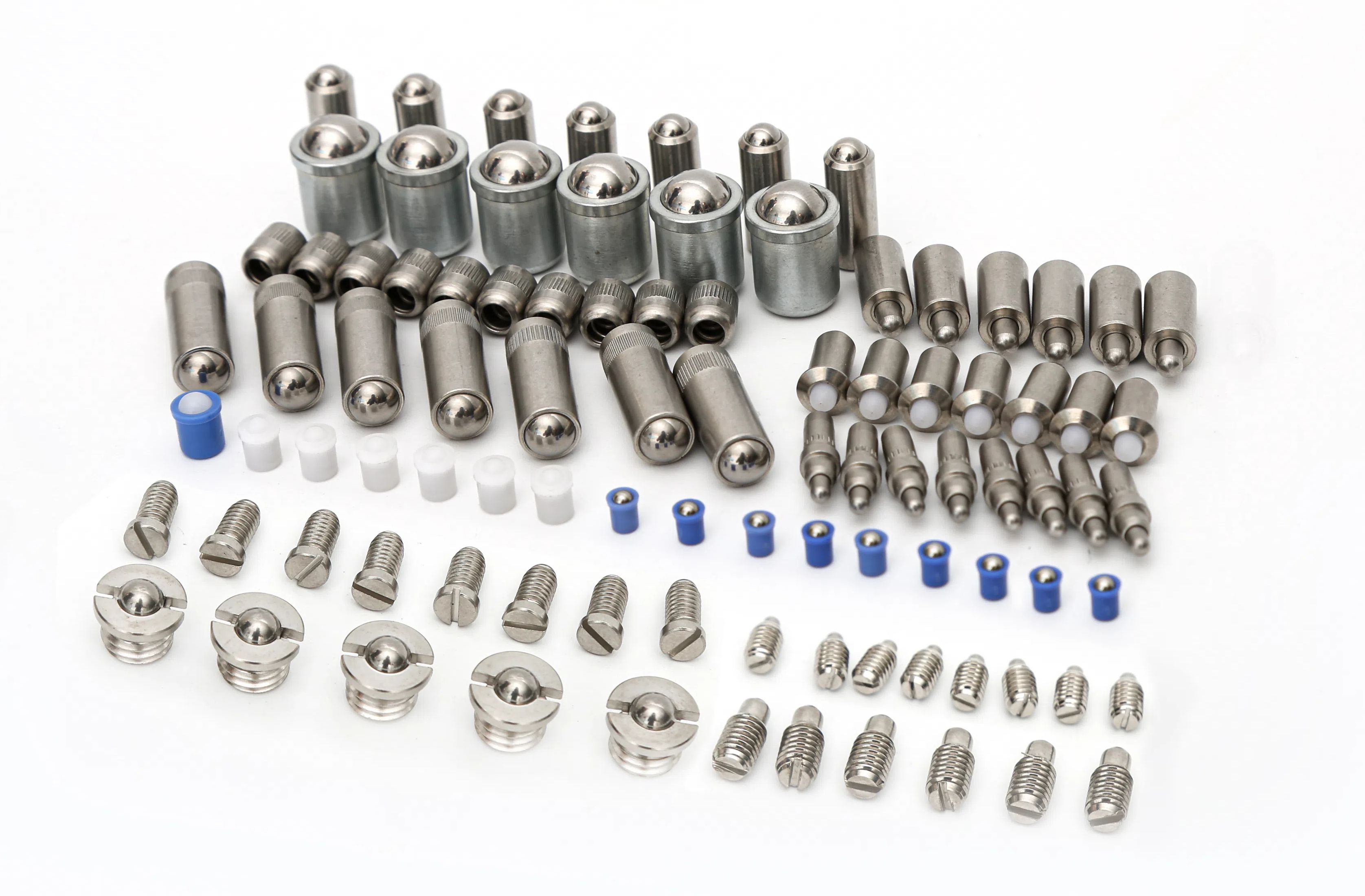
Imperial Heavy-Duty Plungers (1/4"–1/2")
-
Thread Standard: ASME B1.1, Grade 2A/2B
-
Patented dual-lock mechanism (metal locking ring + nylon patch)
-
Dynamic load capacity: 800N, passed 200-hour vibration test
-
Applied in construction machinery hydraulic blocks
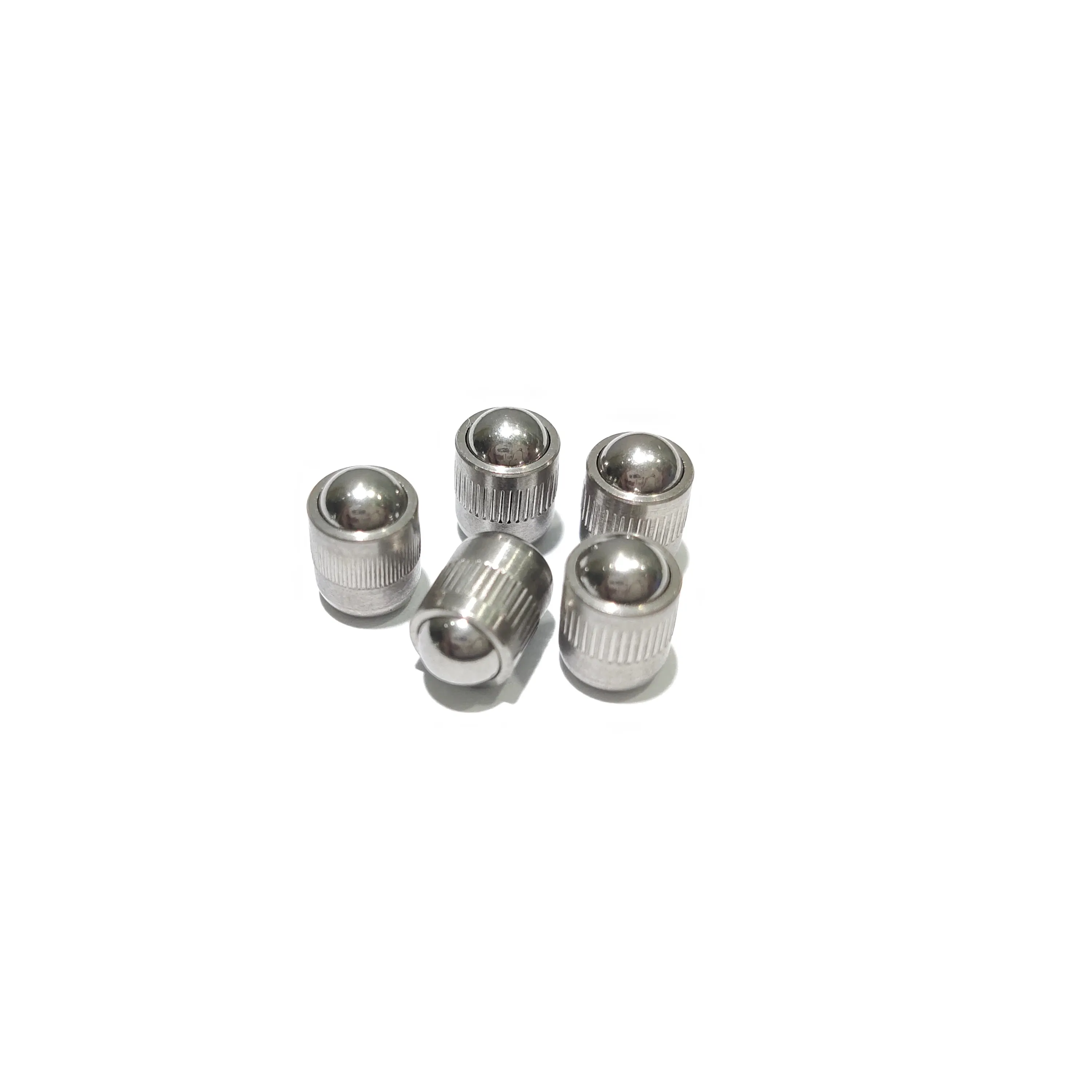
CNC Positioning Series
| Type | Features | Applications |
|---|---|---|
| 316L Stainless Steel Corrosion-Resistant | 96-hour salt spray resistance (ASTM B117), electropolished to Ra ≤ 0.4μm | Sterile areas in pharmaceutical equipment |
| High-Temperature Series | Inconel 718, resistant to 650°C, pre-filled with high-temp lubricant | Turbine positioning components |
Customized Engineering Services
Mocayo provides tailored solutions, including:
-
Non-standard thread processing (M2–M30)
-
Custom spring forces (20–300N adjustable)
-
Special coatings (DLC, nitriding)
-
48-hour prototyping
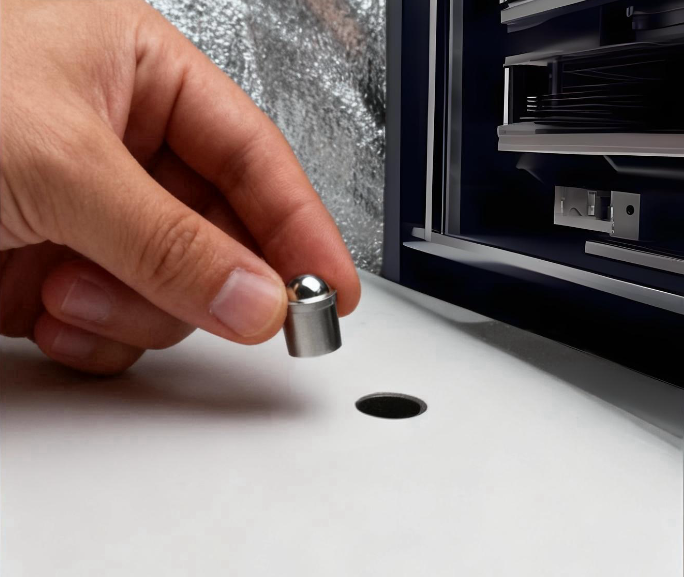
Case Study: A semiconductor manufacturer using M3 micro plungers (0.5 mm ball) improved wafer positioning precision to ±0.003 mm, boosting yield by 15%.
3. Expert Selection, Installation, and Maintenance Guide
Smart Selection Process
Correct selection ensures the long-term stability of threaded spring ball plungers. Mocayo promotes a four-step approach:
-
Application Evaluation
Complete our online questionnaire to assess parameters like operating temperature, vibration, mounting direction, and cycle frequency. -
Load Calculation
Use Mocayo’s configuration software to calculate ideal spring force, ball diameter, and thread size.
Example: For an intermittently loaded hydraulic system, the tool recommends a 100N spring force with M10 thread. -
Environmental Analysis
Choose appropriate materials (e.g., 316L, Inconel 718) and coatings (e.g., nitriding, DLC) for harsh conditions. Third-party testing available. -
Sample Verification
Free samples with simulated tests: spring life, corrosion resistance (salt spray), dynamic loading, etc.
Example: One client validated M6 plungers for 3 million cycles retaining 90% force, enabling 18-month maintenance-free use.
Installation Guidelines
Thread Fit Tolerance
-
Recommended: H7/g6 precision bore for robust fit and positioning accuracy
-
For frequent removal: Use stop grooves or spacers to reduce premature wear
Recommended Installation Torque (Dry Assembly)
| Thread Size | Torque (N·m) |
|---|---|
| M4 | 2.0 – 3.0 |
| M6 | 5.0 – 7.0 |
| M8 | 12.0 – 15.0 |
| M10 | 24.0 – 28.0 |
| M12 | 40.0 – 48.0 |
Exceeding these values can damage the base or jam the ball—particularly in aluminum mounts, lower torque or torque-limiting tools are advised.

Lubrication Management
| Application Environment | Recommended Lubricant |
|---|---|
| Standard Mechanical | Lithium grease (high-load resistance) |
| Food/Medical | NSF H1 certified non-toxic lubricant |
| High Temperature | Molybdenum disulfide or fluorosilicone (≥250°C) |
Regular cleaning and re-lubrication significantly extend service life and prevent ball jamming or wear.
Maintenance & Inspection Standards
Inspection Frequency
| Inspection Item | Recommended Frequency | Acceptance Standard |
|---|---|---|
| Ball Protrusion | Weekly | Standard ±0.1 mm |
| Spring Force Test | Monthly | ≥80% of rated value |
| Thread Wear Check | Quarterly | No loosening or deformation |
Preventive Replacement Cycle
| Operating Conditions | Suggested Cycle | Max Usage |
|---|---|---|
| Standard | 12 months | ≤50,000 cycles |
| Heavy-Duty | 6 months | ≤20,000 cycles |
| High Temp/Corrosive | 3–6 months | Case-specific |
For mission-critical systems (e.g., aerospace fixtures, semiconductor alignment), we recommend digital force monitoring systems for predictive maintenance.
4. Quality Assurance and Technical Services
Comprehensive Quality System
Mocayo ensures every micrometer matters:
Material Control
-
All metal sourced from certified suppliers (e.g., Baosteel, POSCO)
-
Inconel/Titanium batches tested via XRF & metallography
-
Stainless steel complies with ASTM A276/A479
Production Quality Control
-
Full inspection of critical dimensions: thread outer diameter, ball travel, spring force
-
Thread cutting via German WFL CNC machining, precision ±0.005 mm
-
Post-treatment checks: salt spray, film thickness
Final Inspection
-
100% Go gauge check
-
Random pull-out, fatigue, corrosion testing
-
Certificates and performance reports included
Certifications
-
ISO 9001:2015 Quality Management
-
ISO 13485:2016 for Medical Devices
-
ROHS/REACH Compliance
Professional Technical Support
Beyond products, Mocayo offers lifecycle support:
| Service | Details |
|---|---|
| Training | Free courses and materials on thread measurement |
| Failure Analysis | Engineering review + improvement report |
| On-Site Support | Bilingual engineers available |
| Periodic Inspections | Product review and maintenance guidance |
Response Time Guarantee
| Service Type | Response Time |
|---|---|
| Tech Inquiry (Phone/Email) | Within 2 hours |
| Urgent Sample Request | 24h turnaround (standard parts) |
| On-site Engineering (Domestic) | Within 72 hours |
Case Highlight: When a medical device customer encountered high-temp fatigue failure in a threaded plunger, Mocayo’s team arrived within 48 hours, replaced the unit with Inconel, and resolved the issue promptly.
How to Measure Screw Thread Size & Spring Ball Plungers. Use calipers or thread gauges to measure diameter and pitch for screw threads.Shop now for precision project!
How To Find Thread Size-Indexing Pin Thread Sizes
What Is SS 304 Material-The Ideal Material For Indexing Pin