What Is The Best Stainless Steel
What Is The Best Stainless Steel? A Comprehensive Guide
Introduction
Stainless steel is a cornerstone material in modern engineering, architecture, and household goods. Its durability, corrosion resistance, and aesthetic appeal make it indispensable in a wide variety of applications. However, with numerous grades and types available, the common question arises: What is the best stainless steel? This article will explore this question in depth, examining different types of stainless steel, their properties, applications, and performance characteristics.
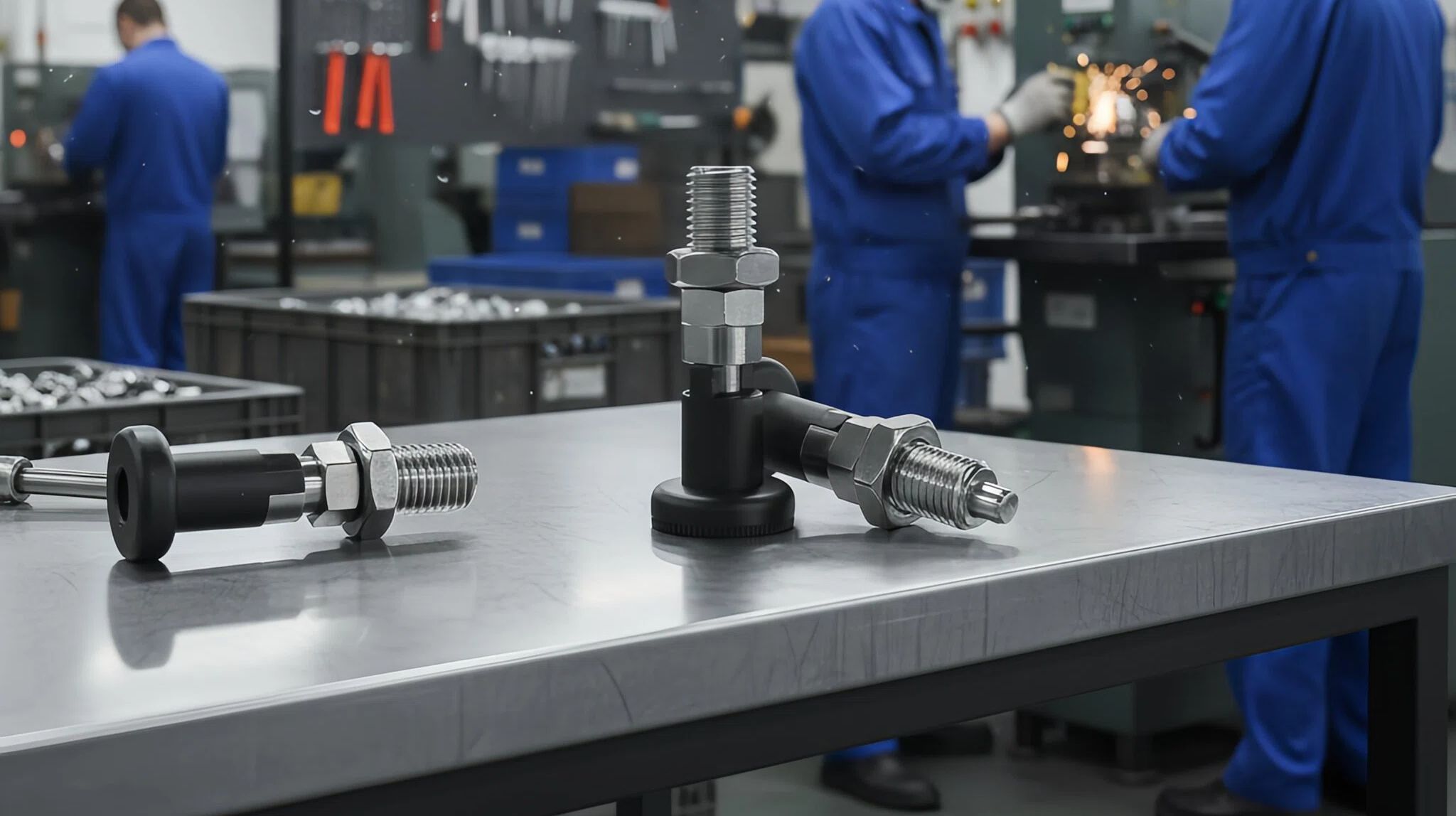
What is the best stainless steel? Learn about its properties, types, and applications in industrial, automotive, and machinery fields. Discover how it ensures durability and performance.
Understanding Stainless Steel
Before diving into what is the best stainless steel, it's crucial to understand what stainless steel actually is. Stainless steel is an alloy of iron that contains a minimum of 10.5% chromium. The chromium content forms a passive layer of chromium oxide on the surface, which prevents surface corrosion and blocks corrosion from spreading into the metal’s internal structure.

Major Categories of Stainless Steel
To evaluate what is the best stainless steel, we must look at the four major categories:
-
Austenitic Stainless Steel – This group includes grades like 304 and 316. Known for their excellent corrosion resistance, non-magnetic properties, and high ductility.
-
Ferritic Stainless Steel – These contain higher chromium content but little to no nickel. They are magnetic and offer good corrosion resistance but are less ductile.
-
Martensitic Stainless Steel – High in carbon, this type can be hardened through heat treatment. Commonly used in knives and tools.
-
Duplex Stainless Steel – A combination of austenitic and ferritic structures, offering high strength and excellent corrosion resistance.
What Is The Best Stainless Steel for Corrosion Resistance?
When corrosion resistance is the top priority, 316 stainless steel often comes out on top. It contains molybdenum, which enhances its resistance to chlorides and other corrosive agents. This makes it ideal for marine environments, chemical processing, and medical devices.
However, for even more aggressive environments, super-austenitic grades like 904L or duplex grades like 2205 offer superior resistance.
What Is The Best Stainless Steel for Strength?
If strength is your primary concern, duplex stainless steels such as 2205 and super duplex like 2507 are excellent choices. They offer twice the strength of austenitic stainless steels while maintaining good corrosion resistance.
Martensitic grades such as 440C also offer high strength and wear resistance but compromise somewhat on corrosion resistance.
What Is The Best Stainless Steel for Cost Efficiency?
304 stainless steel is often considered the best all-around stainless steel in terms of cost efficiency. It offers a balanced combination of corrosion resistance, formability, and affordability, making it widely used in kitchen appliances, construction, and automotive components.
Ferritic stainless steels like 430 offer even more affordability and are often used in decorative and architectural applications where strength and corrosion resistance are less critical.
What Is The Best Stainless Steel for Food Applications?
304 stainless steel is the industry standard for food-grade applications. It is easy to clean, non-reactive with food acids, and meets sanitary requirements. However, 316 is preferred for environments that demand higher corrosion resistance, such as food processing plants dealing with salty or acidic substances.
What Is The Best Stainless Steel for Marine Use?
316 stainless steel is widely regarded as the best stainless steel for marine applications due to its molybdenum content. It offers enhanced resistance to saltwater corrosion and is often used in boat fittings, marine hardware, and coastal architectural structures.
For even higher performance, duplex and super duplex stainless steels offer unparalleled strength and resistance to pitting and crevice corrosion.
What Is The Best Stainless Steel for Medical Instruments?
Stainless steels used in medical instruments must meet stringent standards for biocompatibility, corrosion resistance, and cleanliness. 316L stainless steel is the preferred grade due to its low carbon content and superior resistance to bodily fluids and sterilization processes.
What Is The Best Stainless Steel for Knives and Cutting Tools?
For blades and cutting tools, hardness and edge retention are key. Martensitic stainless steels like 420HC, 440C, and CPM-S30V are excellent options. These grades can be heat-treated to achieve a sharp, durable edge while maintaining moderate corrosion resistance.
Comparison Table: Popular Stainless Steel Grades
| Grade | Type | Corrosion Resistance | Strength | Cost | Common Applications |
|---|---|---|---|---|---|
| 304 | Austenitic | High | Medium | Low | Kitchenware, construction |
| 316 | Austenitic | Very High | Medium | Medium | Marine, medical, chemical |
| 430 | Ferritic | Moderate | Low | Very Low | Decorative, indoor applications |
| 440C | Martensitic | Moderate | High | High | Knives, surgical instruments |
| 2205 | Duplex | Very High | Very High | High | Oil & gas, marine, chemical |
How to Choose the Best Stainless Steel
Choosing what is the best stainless steel depends on your specific requirements:
-
Corrosion Resistance: Go with 316 or duplex steels
-
Strength: Choose duplex or martensitic grades
-
Affordability: Consider 304 or 430
-
Food Contact: Stick with 304 or 316
-
Medical Use: Opt for 316L
-
Knives: Use 440C or CPM grades
So, what is the best stainless steel? The answer lies in the intended application. While 304 is the most versatile and widely used, 316 provides superior corrosion resistance. Duplex and martensitic grades serve specialized needs like strength and edge retention. By understanding the strengths and limitations of each type, users can select the most suitable grade to achieve optimal performance and value.
In conclusion, there is no single best grade of stainless steel—what is the best stainless steel will always depend on your priorities, whether it’s cost, corrosion resistance, strength, or application-specific needs.
Can Carbon Steel Rust
What Is 304 Stainless Steel