What Is Stainless Steel 316
What Is Stainless Steel 316
In industrial manufacturing and everyday applications, stainless steel is an exceptionally common metal material. Among its varieties, the question “What Is Stainless Steel 316?” frequently captures the attention of many procurement personnel, engineers, and end users. Renowned for its outstanding corrosion resistance and broad applicability, 316 stainless steel has become the material of choice across numerous global industries. 316 stainless steel is an austenitic stainless steel primarily composed of iron, chromium, and nickel, with a certain proportion of molybdenum. The addition of molybdenum enhances its corrosion resistance, particularly against chloride corrosion, making it superior to 304 stainless steel. Consequently, in many demanding environments, 316 stainless steel offers greater advantages than 304.

What Is Stainless Steel 316
Stainless steel 316 is an austenitic stainless steel primarily composed of iron, chromium, and nickel, with a certain proportion of molybdenum. The addition of molybdenum enhances its corrosion resistance, particularly against chloride corrosion, making it superior to stainless steel 304. Consequently, stainless steel 316 offers greater advantages than 304 in many demanding environments.
Many customers searching for “What Is Stainless Steel 316” often seek to confirm its differences from 304 stainless steel. Compared to 304, 316 demonstrates greater stability in marine environments, chemical processing settings, and scenarios involving high salt concentrations.
Common Application
316 stainless steel is widely used across multiple industries:
Chemical and marine equipment: Such as chemical storage tanks and seawater desalination units.
Medical devices: Frequently used in surgical instruments and implants due to its excellent biocompatibility.
Food processing and construction: Utilized in food-grade equipment and high-end architectural finishes.
316 stainless steel is widely used across multiple industries:
Chemical and marine equipment: Such as chemical storage tanks and seawater desalination units.
Medical devices: Frequently used in surgical instruments and implants due to its excellent biocompatibility.
Food processing and construction: Utilized in food-grade equipment and high-end architectural finishes.
The Combined Application of 316 Stainless Steel and Ball Plungers
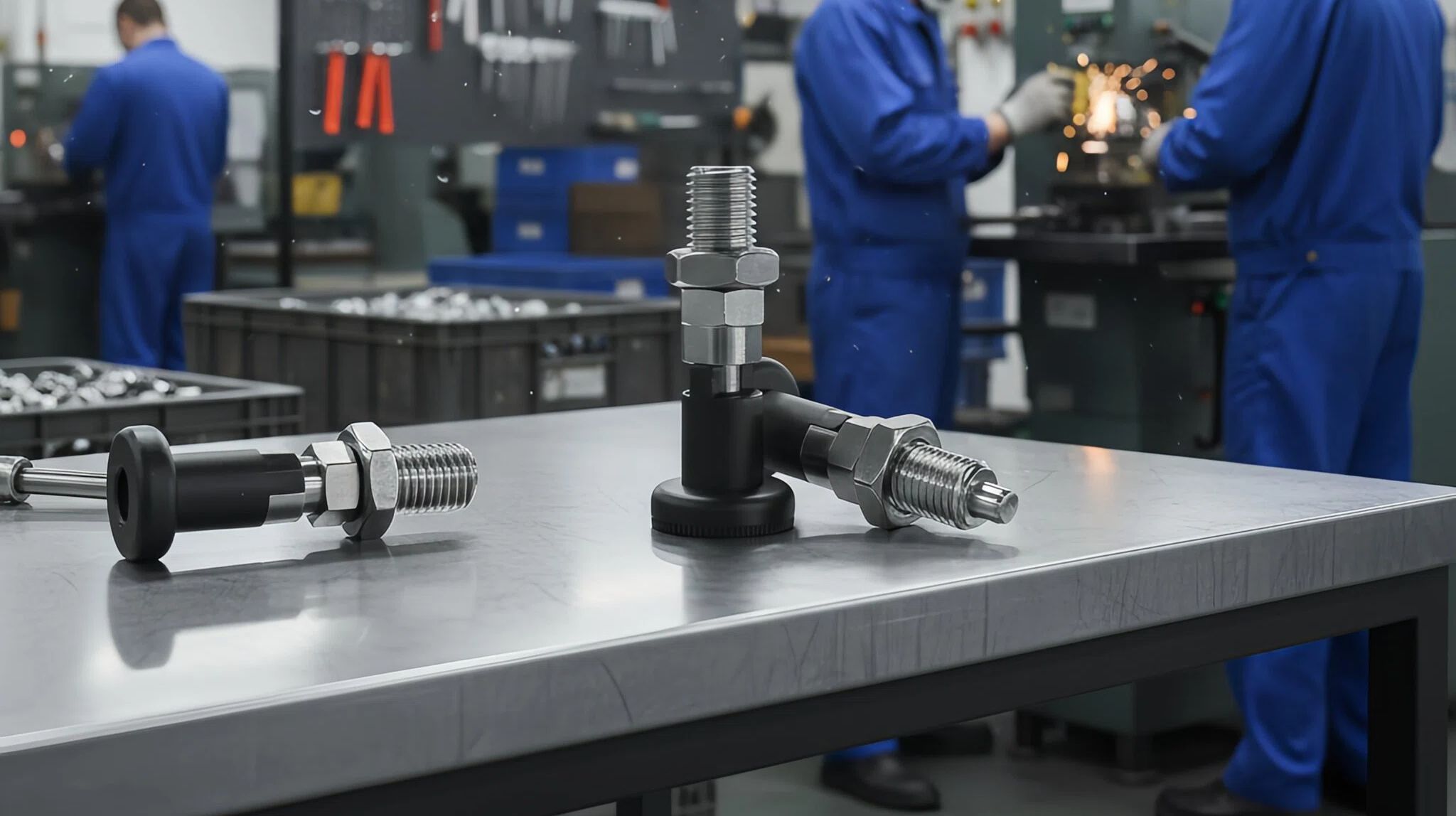
316 stainless steel and ball plungers are inseparable in numerous scenarios. For instance, in precision molds, automated equipment, and marine machinery, ball plungers manufactured from 316 stainless steel not only ensure positioning accuracy but also significantly extend service life.
For purchasers or end-users, the following factors are often considered during selection:
Environmental Requirements: Presence of salt spray or acid/alkali corrosion.
Frequency of Use: High-frequency positioning requires materials with superior wear resistance.
Maintenance Convenience: 316 stainless steel ball plungers offer significant advantages in reducing maintenance costs.
316 stainless steel and ball plungers are inseparable in numerous scenarios. For instance, in precision molds, automated equipment, and marine machinery, ball plungers manufactured from 316 stainless steel not only ensure positioning accuracy but also significantly extend service life.
For purchasers or end-users, the following factors are often considered during selection:
Environmental Requirements: Presence of salt spray or acid/alkali corrosion.
Frequency of Use: High-frequency positioning requires materials with superior wear resistance.
Maintenance Convenience: 316 stainless steel ball plungers offer significant advantages in reducing maintenance costs.
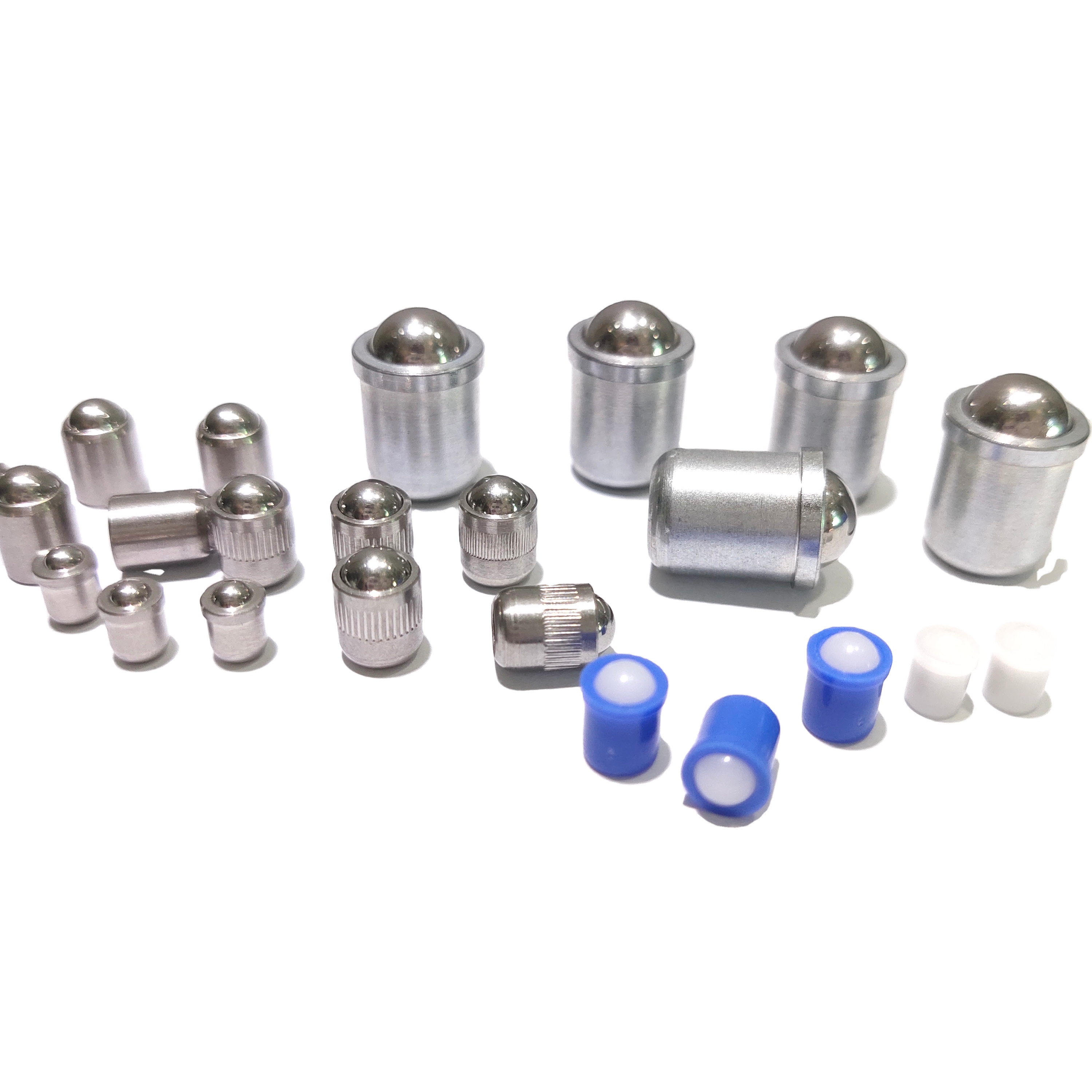
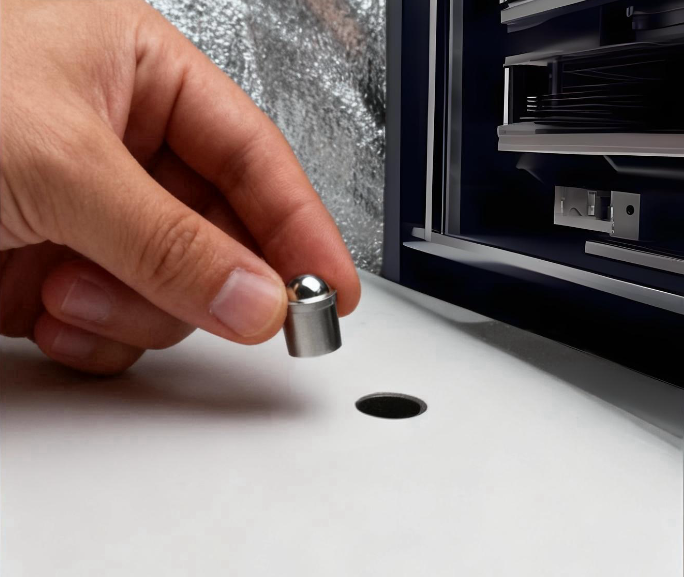
Ball plungers typically consist of a small metal ball and an internal spring. The metal ball section can extend and retract, enabling positioning or support at different locations. Its design is simple yet highly functional, finding widespread application in machining, fixture positioning, and electronic equipment.
In certain specialized environments, ball plungers manufactured from 316 stainless steel offer enhanced corrosion resistance.
In certain specialized environments, ball plungers manufactured from 316 stainless steel offer enhanced corrosion resistance.
Advantages of Ball Plungers
High Positioning Accuracy: The ball provides precise positioning, ensuring repeatable accuracy for assembled components.
Easy Installation and Use: Typically featuring a threaded design for quick mounting and replacement.
Stable Spring Support: Internal springs deliver consistent pressure to secure components firmly.
These advantages make ball plungers indispensable components in many fixture and jig designs. Especially when constructed from 316 stainless steel, they withstand harsh environments while ensuring long-term stable operation.
High Positioning Accuracy: The ball provides precise positioning, ensuring repeatable accuracy for assembled components.
Easy Installation and Use: Typically featuring a threaded design for quick mounting and replacement.
Stable Spring Support: Internal springs deliver consistent pressure to secure components firmly.
These advantages make ball plungers indispensable components in many fixture and jig designs. Especially when constructed from 316 stainless steel, they withstand harsh environments while ensuring long-term stable operation.
What Is 17 4 Stainless Steel
Mocayo Lock Pin Mechanism